
Facebook-f Instagram Twitter Youtube Linkedin
Donate Now
  • Português do Brasil (pb)Português do Brasil
  • English (en)English
  • Home
  • About Us
    • Who we are
    • Our Team
    • Partnerships
    • Work With Us
  • News
  • Projects
    • Beyond Cotton
    • Study Visit
    • Nurture the Future
    • Seeds for Tomorrow
  • Library
  • Contact
  • Home
  • About Us
    • Who we are
    • Our Team
    • Partnerships
    • Work With Us
  • News
  • Projects
    • Beyond Cotton
    • Study Visit
    • Nurture the Future
    • Seeds for Tomorrow
  • Library
  • Contact

Facebook-f Instagram Twitter Youtube Linkedin
  • Home
  • About Us
    • Who we are
    • Our Team
    • Partnerships
    • Work With Us
  • News
  • Projects
    • Beyond Cotton
    • Study Visit
    • Nurture the Future
    • Seeds for Tomorrow
  • Library
  • Contact
Menu
  • Home
  • About Us
    • Who we are
    • Our Team
    • Partnerships
    • Work With Us
  • News
  • Projects
    • Beyond Cotton
    • Study Visit
    • Nurture the Future
    • Seeds for Tomorrow
  • Library
  • Contact
Donate Now
  • Português do Brasil (pb)Português do Brasil
  • English (en)English
  • 11/02/2026
  • 16:55

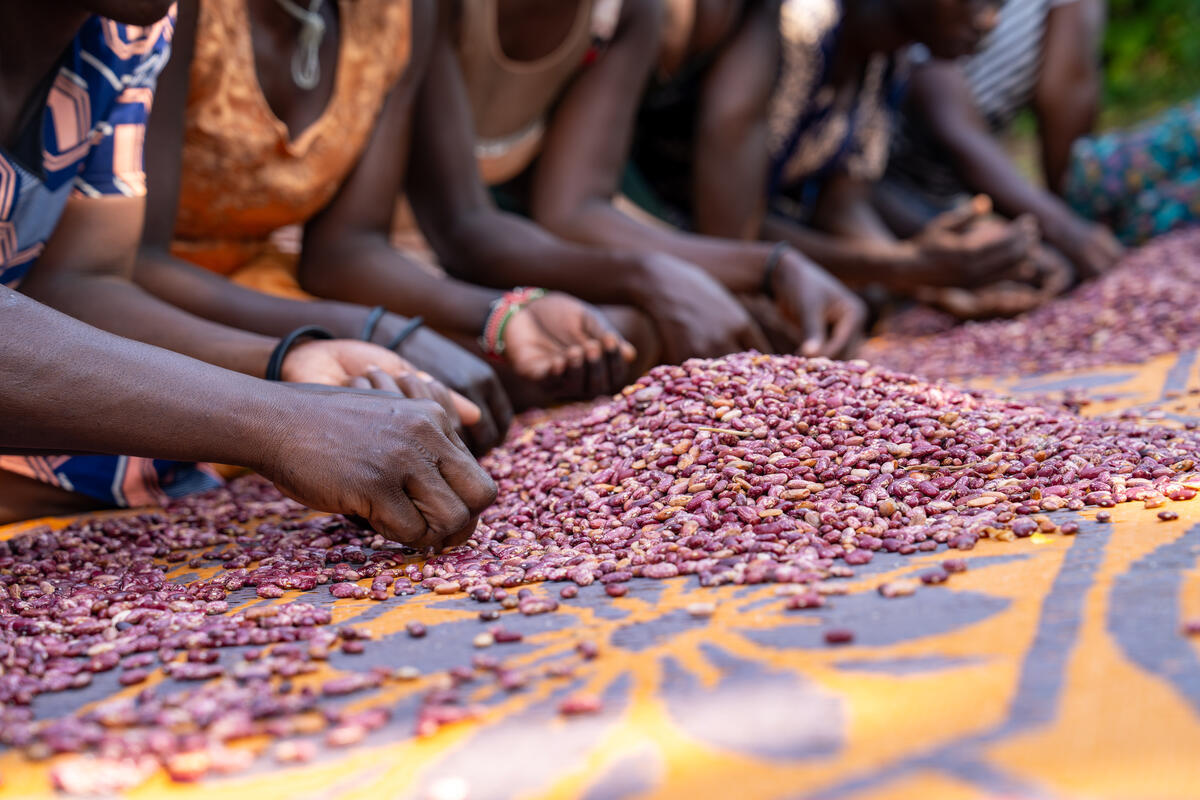
World Pulses Day highlights nutritional value and sustainability

©WFP/Daisy Masembe

Celebrated on 10 February, World Pulses Day draws attention to the importance of grains such as beans, lentils, chickpeas and peas, which are widely consumed in Brazil and around the world.

Pulses are rich in vegetable protein, fibre, vitamins and minerals, and contribute to more balanced diets and the prevention of chronic diseases. In addition to their health benefits, their cultivation is considered environmentally advantageous because it requires less water, improves soil fertility and reduces the need for synthetic fertilisers, strengthening more sustainable agricultural systems.

Nutritionist Eliene Sousa, from the Centre of Excellence against Hunger, emphasises that pulses should be part of our daily diet. “Pulses offer a powerful combination of high-quality protein, fibre and essential minerals, such as iron and magnesium. This nutritional profile helps regulate blood sugar, promotes intestinal health and contributes to the prevention of cardiovascular disease,” she says.

According to her, in addition to varying the types of pulses, it is essential to have a varied consumption of foods from all food groups as part of your routine. “Eating a variety of foods is a simple strategy for improving the quality of your diet with nutritional diversity,” she points out.


CONTACT US
[email protected]
+55 61 2193 8500


WORK WITH US
Check current vacancies

Facebook-f Instagram Twitter Youtube Linkedin
Subscribe to our newsletter

About This Sidebar

You can quickly hide this sidebar by removing widgets from the Hidden Sidebar Settings.

Recent Posts

World Pulses Day highlights nutritional value and sustainabilityFeb 11, 2026
Escola de Sabores: Indigenous school cook Alison da Silva wins reality showFeb 09, 2026
Centre of Excellence highlights school meals at Forum on education strategies in BelémFeb 05, 2026

Categories

  • Beyond Cotton
  • Apoio Remoto
  • Library
  • Events
  • General
  • General
  • Virtual Exchanges
  • Virtual Exchanges
  • News
  • Nutrition
  • Nutrition
  • Partnerships
  • Policy Brief
  • School Feeding
  • Sem categoria
  • Uncategorized

Meta

  • Log in
  • Entries feed
  • Comments feed
  • WordPress.org