


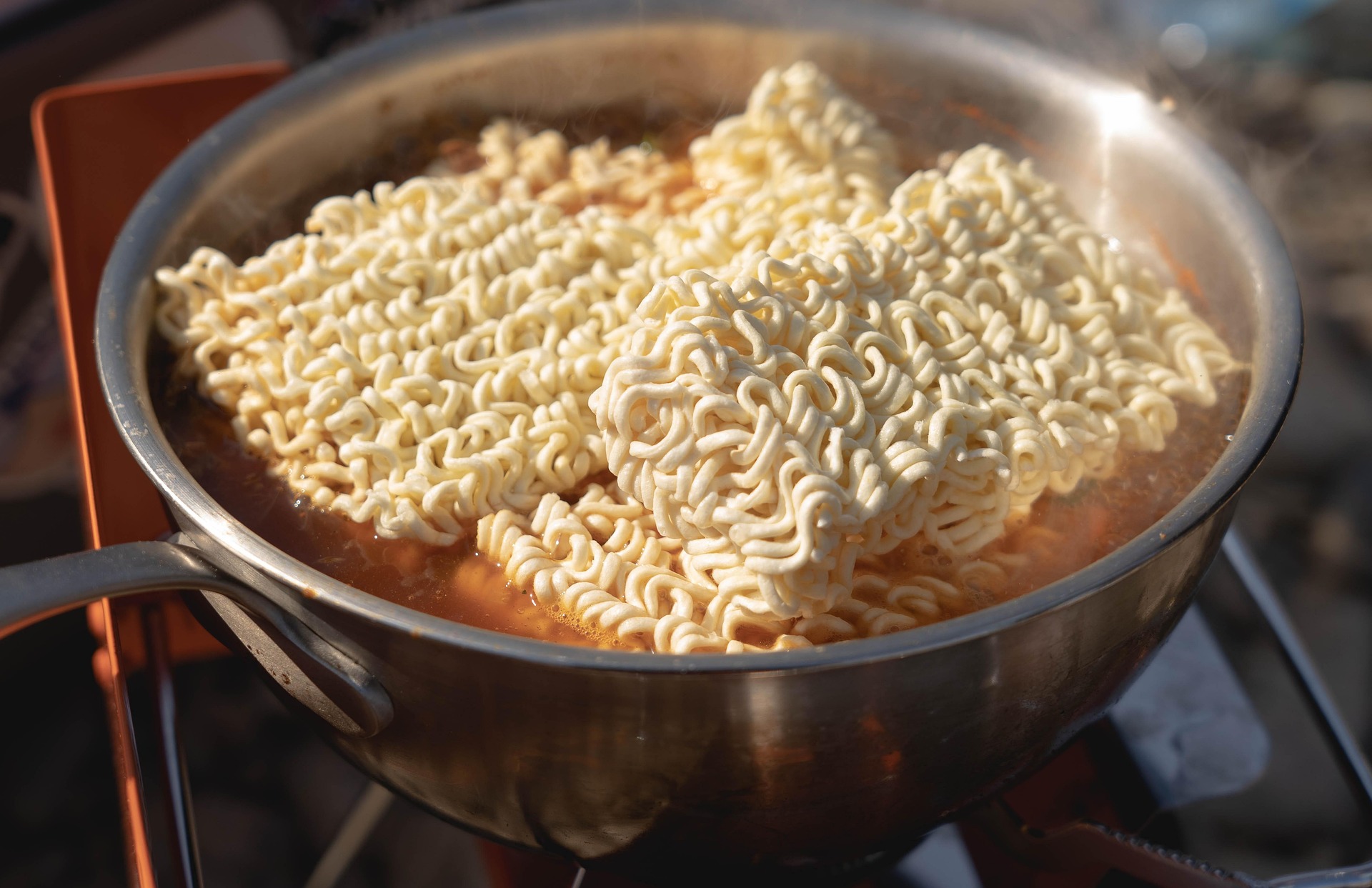
The rise in the consumption of ultra-processed foods has implications that go beyond individual health: it also affects the sustainability of food systems and healthcare systems. Scientific evidence suggests that diets rich in these products are associated with a higher risk of colorectal cancer, one of the most common types in Brazil, as well as an increase in other chronic diseases, which have a direct impact on the costs of social policies, particularly those relating to health and social development.
According to the World Health Organization (WHO), processed meats such as sausages, bacon and ham are classified as carcinogens. The recommendation is that daily consumption should not exceed 50 grams — the equivalent of one sausage or about four slices of ham. Amounts above this limit are associated with an 18% increase in the risk of bowel and rectal cancer.
According to nutritionist Eliene Sousa, from the Centre of Excellence against Hunger, research shows that ultra-processed foods are one of the factors contributing to the rise in chronic non-communicable diseases and the deterioration in the quality of the diet. “Studies show that diets based on ultra-processed foods are linked to an increase in conditions such as obesity, diabetes, cardiovascular problems and certain types of cancer, including colorectal cancer,” she explains.
In addition to the direct impacts on health, Eliene points out that these products also undermine fairer and more sustainable food systems. “Ultra-processed foods encourage the concentration of production around a few types of food, rely on long production and consumption chains, and use large quantities of additives, to the detriment of healthy consumption of fresh food, family farming and agroecology,” she says.
To reduce the risks of disease and strengthen sustainable food systems and healthcare systems, the advice is to prioritise fresh and/or minimally processed foods. “A healthy and nutritious diet should be based on a variety of foods: vegetables, legumes, fruit, grains, pulses such as beans, as well as protein sources such as fish, poultry, eggs and fresh meat,” advises the nutritionist.
She emphasises that diets rooted in local production, agroecology and food diversity contribute not only to the prevention of cancer and other diseases, but also to food security, environmental protection and the fight against hunger. “When we promote the consumption of fresh, local food, we are looking after people’s health and food systems as a whole,” she concludes.