


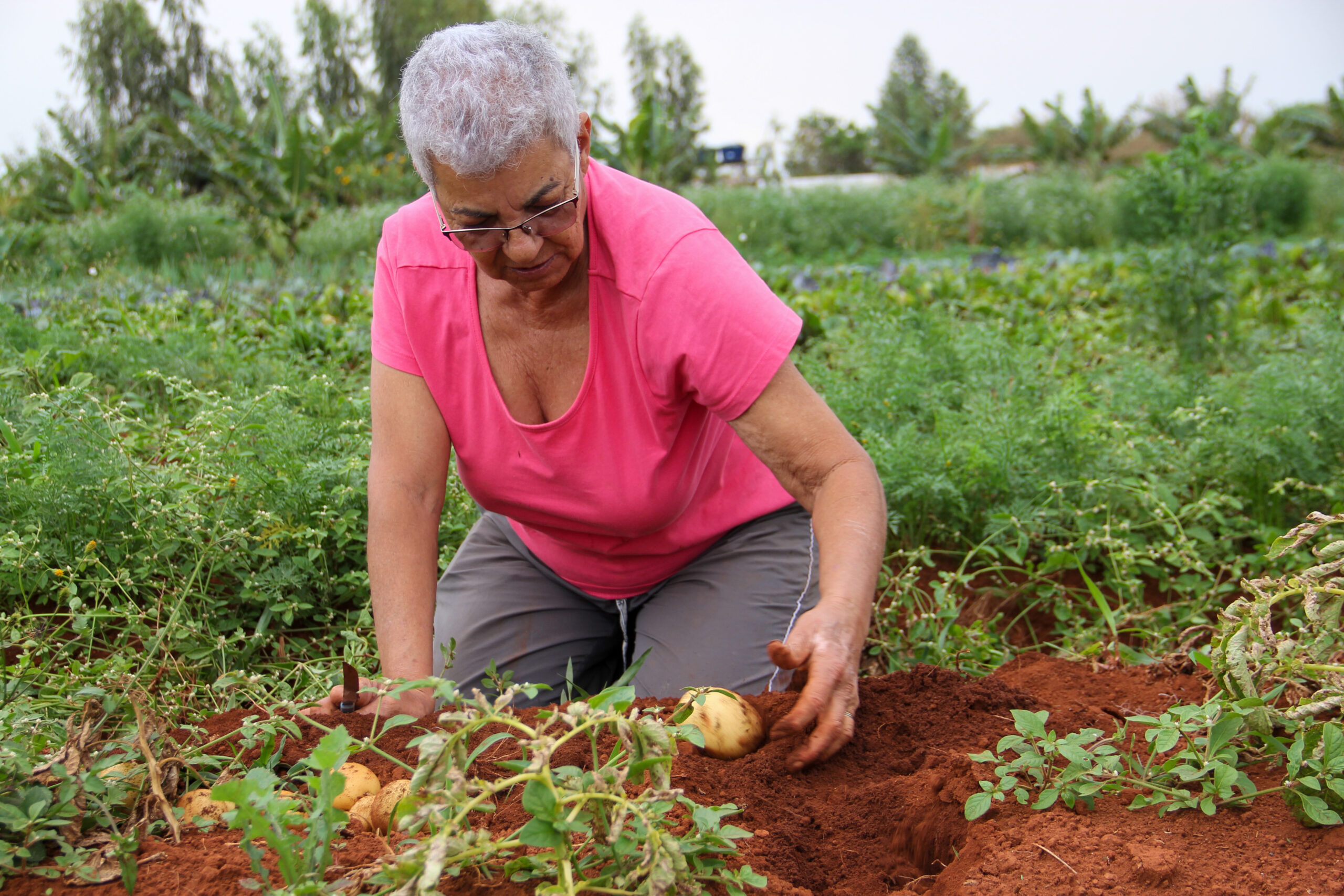
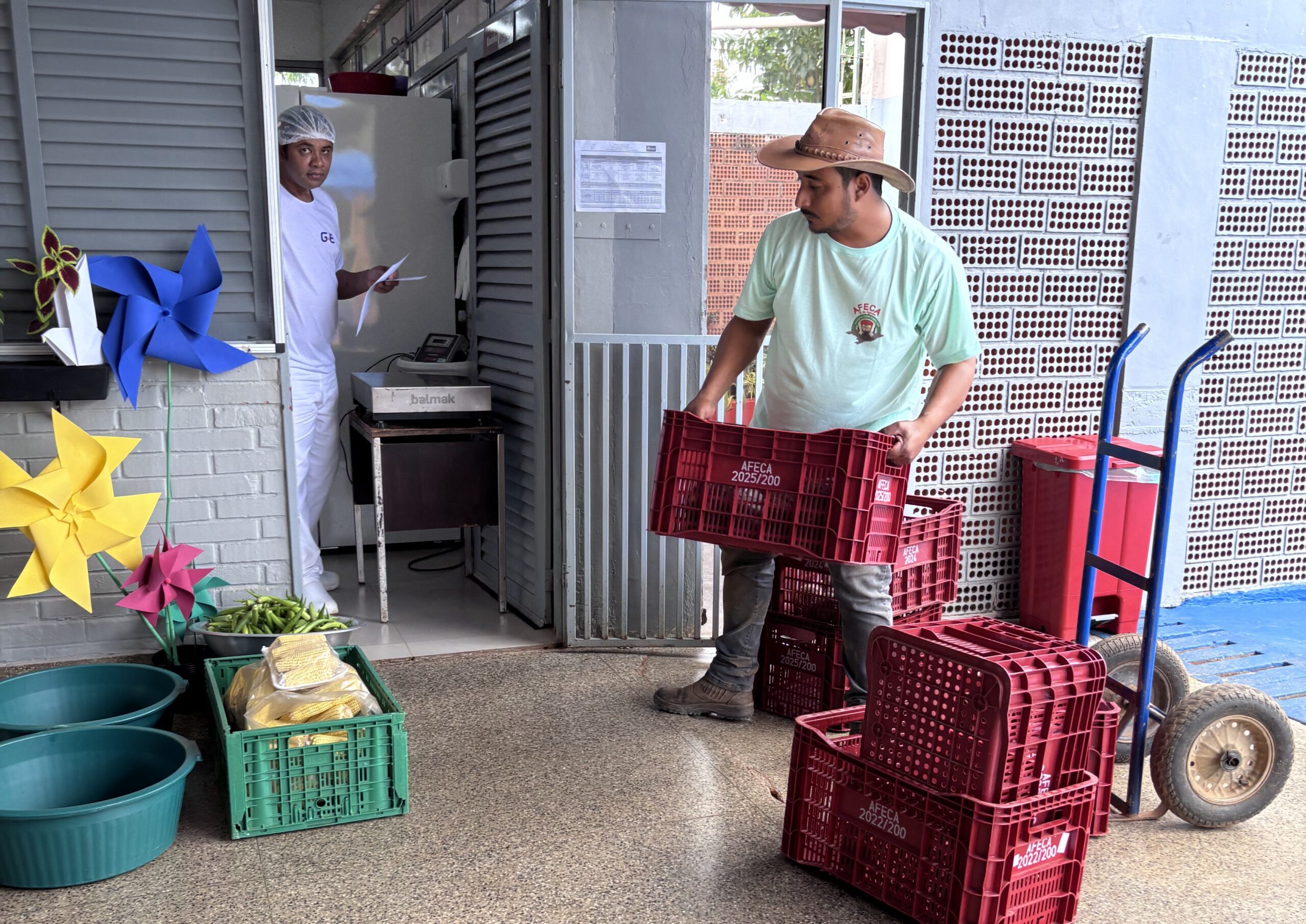
The new legislation that raises to 45% the minimum share of resources from the Brazilian National School Feeding Programme (PNAE) allocated to the direct purchase of food from family farming came into force this year. The change was established by Law No. 15,226/2025, increasing the previous threshold of 30%.
The measure represents a historic step forward in school feeding policy, reinforcing PNAE’s role as one of the largest food security initiatives in the world, responsible for serving around 40 million public basic education students every day.
According to the Ministry of Education, the new percentage is expected to direct more than an additional R$ 2.4 billion per year to rural communities, cooperatives and solidarity enterprises, boosting local economies and strengthening sustainable food systems.
In addition to increasing the funding allocated to family farming, the new law gives priority to purchasing from formal and informal groups of women farmers and young farmers, complementing previous resolutions that prioritised purchases from agrarian reform settlements, indigenous communities and quilombola communities.
The new law also provides for an increase in per capita allocations for traditional communities, reinforcing the policy’s inclusive and socially oriented nature.
Under the new law, food purchased by the PNAE must, at the time of delivery, have at least half of its shelf life remaining, with the exception of family farming products, which are usually delivered fresh, due to their production and marketing dynamics.
For Daniel Balaban, Director of the Centre of Excellence against Hunger at the UN World Food Programme (WFP), the new law benefits the entire Brazilian food system. “Increasingly including family farming in the PNAE benefits not only the pupils, who will be able to eat more nutritious and healthy food, but also small farmers and the environment,” he stated.
The PNAE is also an international model, much sought after by other countries as inspiration for their school feeding programmes, and the procurement of produce from family farming is also one of its key features.
This was the case for the Republic of the Congo and South Africa, which took part in events in Brazil between 2024 and 2025, with support from the Centre of Excellence, to learn about Brazilian policies on purchasing from family farms under the school feeding programme.
By expanding the role of family farming, the PNAE reinforces its commitment to promoting healthy, varied and culturally appropriate school meals, whilst encouraging agroecological practices and sustainable development.
The new legislation represents a decisive step towards strengthening local production chains and ensuring that school meals are increasingly nutritious, fresh and locally sourced — benefiting both producers and students across the country.