


Brazil’s exit from the Hunger Map in 2025 was the theme of the Center of Excellence’s participation in the 4th National Forum on SDG Best Practices, held online on November 26. The event was promoted by the Social Seal Institute, which aims to discuss and share initiatives aligned with the Sustainable Development Goals proposed by the United Nations.
During his presentation, the director of the Center of Excellence, Daniel Balaban, presented the work of the World Food Program around the world and highlighted Brazil’s progress in combating hunger. “Leaving the Hunger Map is a historic milestone for Brazil. It shows that when there is political commitment and social engagement, it is possible to guarantee the human right to food. Our role is to support countries in replicating this type of success with sustainable and integrated solutions,” he said.
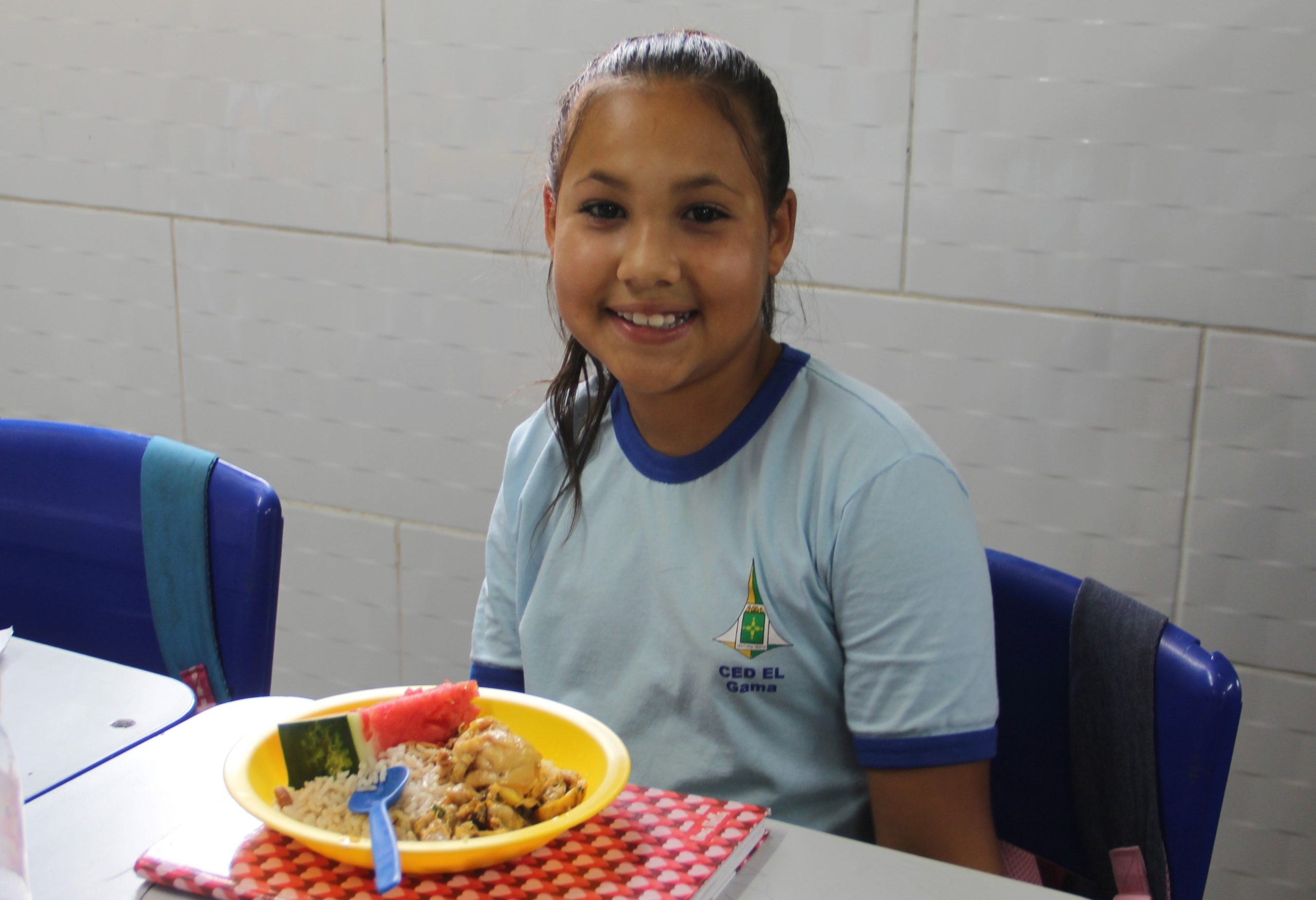
Among the successful solutions that Brazil has consolidated are the National School Feeding Program (PNAE), considered a global benchmark, and policies to strengthen family farming. “The PNAE not only guarantees healthy meals for millions of students, but also boosts family farming, strengthening local economies and promoting social inclusion.”
Through projects, partnerships, and programs, the WFP Center of Excellence Against Hunger in Brazil works toward the following Sustainable Development Goals: SDG 1 (No Poverty), SDG 2 (Zero Hunger), SDG 3 (Good Health and Well-being), SDG 4 (Quality Education), SDG 5 (Gender Equality), SDG 10 (Reduced Inequalities), and SDG 17 (Partnerships for the Goals).
The National Forum on SDG Best Practices is held annually and seeks to give visibility to projects that generate positive social impact, reinforcing the importance of integration between international organizations and local actors to promote inclusive and sustainable development.