


The 4th Americas and the Caribbean Food Systems Transformation Meeting, held on 9 and 10 April in Panama City, focuses on strengthening healthy and sustainable food systems. The meeting brings together officials from the region to discuss topics such as the financing of national food systems; pathways for implementing coordination mechanisms; and the role of the support ecosystem within civil society and the private sector.
The Brazilian delegation attending the meeting includes representatives from the National Fund for Educational Development (FNDE); the Ministry of Education (MEC); the Ministry of Social Development and the Fight against Hunger (MDS); the Ministry of Agrarian Development and Family Farming (MDA); the Ministry of Science, Technology and Innovation (MCTI); and the Ministry of Foreign Affairs (MRE), through the General Coordination of Food and Nutritional Security (CGSAN).
InovaSAN
The agenda also includes a bilateral meeting between Lena Savelli, representative of the WFP’s regional office in Panama, and representatives of the Brazilian government. One of the topics of this meeting will be the InovaSAN Project (Innovation in Food and Nutritional Security), a partnership between the Centre of Excellence and the MDS.
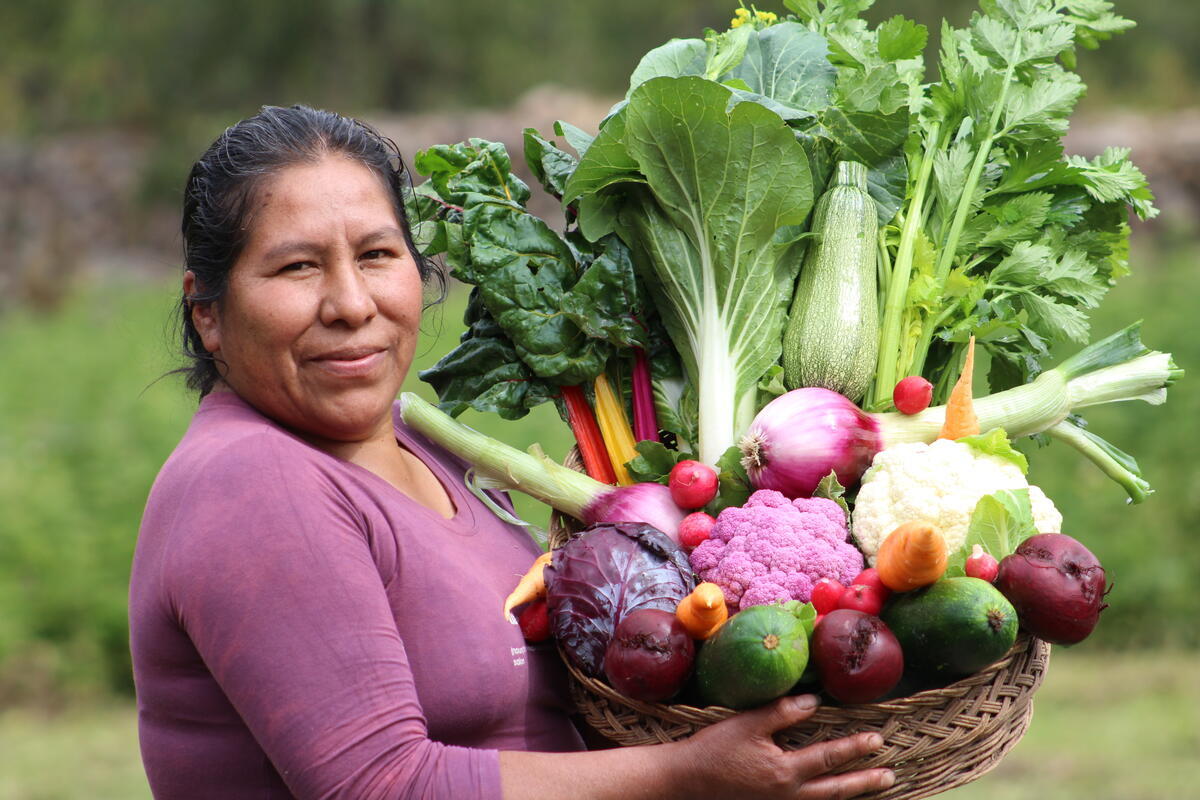
InovaSAN works to promote small-scale farming, strengthen public food procurement and reduce food waste, linking successful Brazilian policies and experiences with those of other countries in Latin America, the Caribbean and other regions. The initiative engages directly with the international agenda for transforming food systems by integrating nutrition, environmental sustainability, social development and climate resilience.
According to Eliene Sousa, a nutritionist at the Centre of Excellence against Hunger and coordinator of the InovaSAN project, the initiative is strategic for deepening the debate between public policies and global challenges. “Discussing the connection between food systems and climate change is fundamental to ensuring more integrated and effective responses. “It is not possible to talk about food security without considering the climate impacts on food production, access and consumption,” she states.
According to the coordinator, the meeting takes place within the framework of the Food Systems and Climate Change HUB, which seeks to promote coordinated solutions between countries and institutions. “This is an important moment to share Brazil’s experience and, at the same time, learn from other initiatives in the region, strengthening international cooperation and the commitment to fairer, more resilient and sustainable food systems,” highlights Eliene Sousa.
The 4th Americas and the Caribbean Food Systems Transformation Meeting will be a hybrid event; further details are available on the website Event detail | UN Food Systems Coordination Hub.