


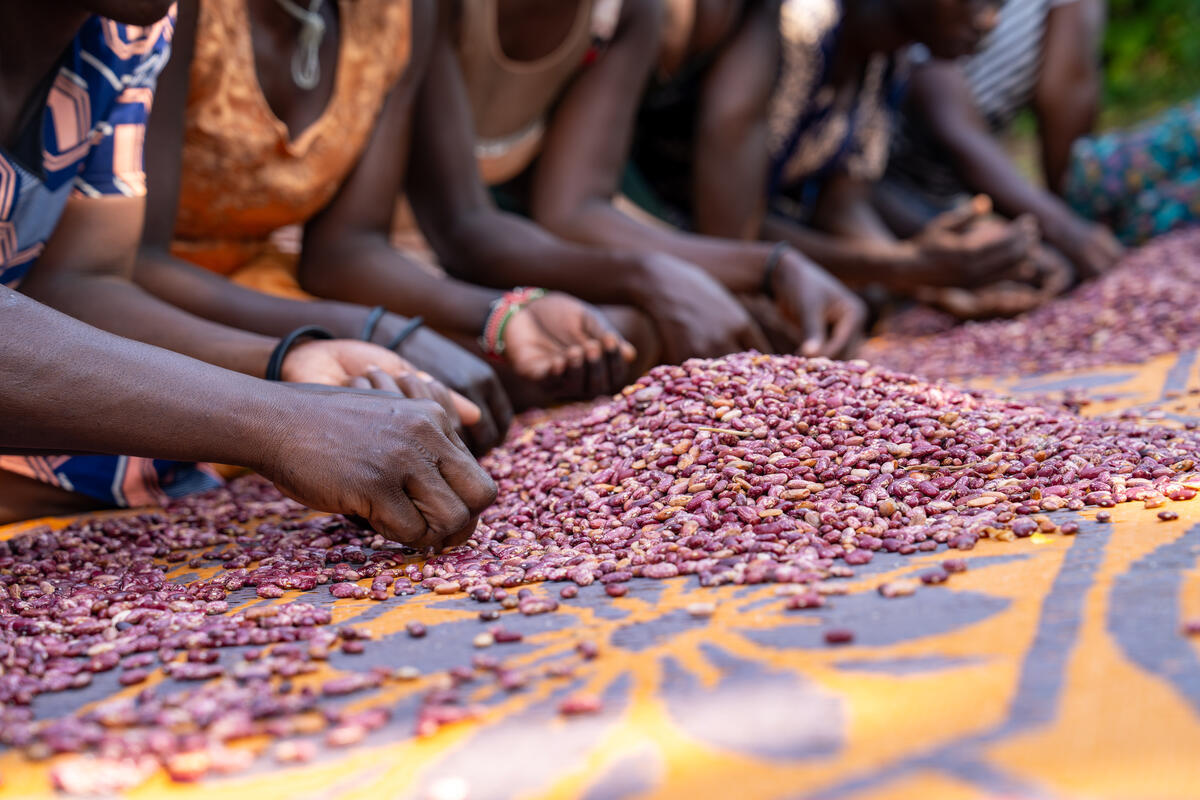
Celebrated on 10 February, World Pulses Day draws attention to the importance of grains such as beans, lentils, chickpeas and peas, which are widely consumed in Brazil and around the world.
Pulses are rich in vegetable protein, fibre, vitamins and minerals, and contribute to more balanced diets and the prevention of chronic diseases. In addition to their health benefits, their cultivation is considered environmentally advantageous because it requires less water, improves soil fertility and reduces the need for synthetic fertilisers, strengthening more sustainable agricultural systems.
Nutritionist Eliene Sousa, from the Centre of Excellence against Hunger, emphasises that pulses should be part of our daily diet. “Pulses offer a powerful combination of high-quality protein, fibre and essential minerals, such as iron and magnesium. This nutritional profile helps regulate blood sugar, promotes intestinal health and contributes to the prevention of cardiovascular disease,” she says.
According to her, in addition to varying the types of pulses, it is essential to have a varied consumption of foods from all food groups as part of your routine. “Eating a variety of foods is a simple strategy for improving the quality of your diet with nutritional diversity,” she points out.