


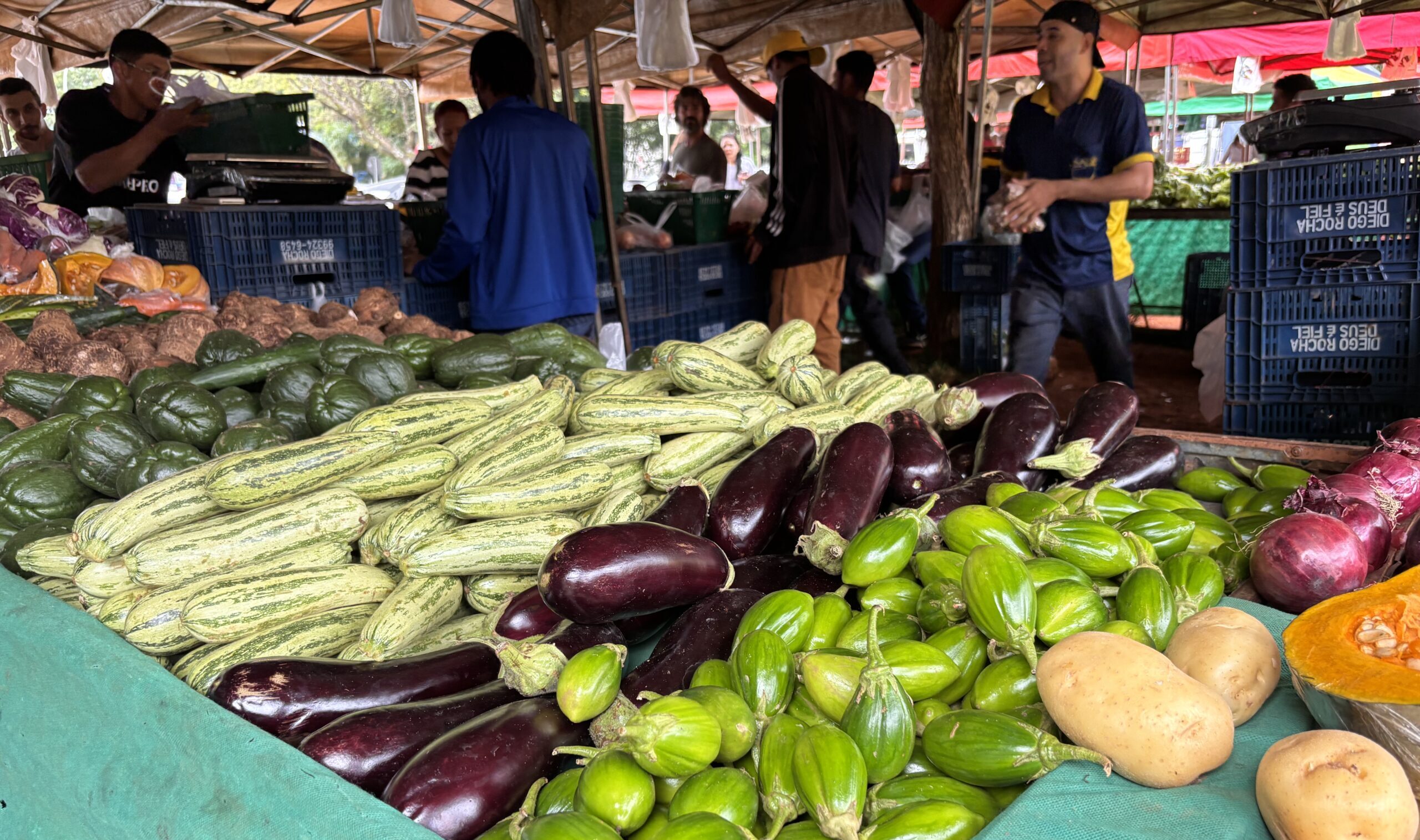
National Health and Nutrition Day, celebrated on 31 March, emphasises the importance of understanding how diet directly influences the physical, emotional and social health of everyone. A balanced diet, consisting of fruit, vegetables, legumes, healthy fats and whole grains, can significantly reduce the risk of conditions such as diabetes, cardiovascular disease and other chronic non-communicable diseases.
Diet also has a direct influence on mood, anxiety and the risk of depression. Diets rich in B vitamins, omega-3, minerals such as magnesium and zinc, and whole foods improve emotional well-being and reduce symptoms of psychological disorders.
Challenge
Brazil still faces the multiple burden of poor nutrition, a phenomenon linked to unequal access to healthy foods, the food environment and the rapid changes in consumption patterns over recent decades, which result in micronutrient deficiencies and overweight.
“This is not merely the result of individual choices, but of a food environment that facilitates access to ultra-processed products and hinders the consumption of natural and traditional foods,” says nutritionist Eliene Sousa, from the WFP Centre of Excellence against Hunger in Brazil.
To tackle this situation, in addition to promoting public policies based on the Dietary Guidelines for the Brazilian Population, she stresses that it is essential to foster food environments that encourage the consumption of fresh produce and reduce the availability and consumption of ultra-processed foods. “Healthy eating is not just a personal choice, but a public health tool and a right for everyone,” concludes Eliene.
Find out more about the Multiple Burden of Malnutrition (available in Portuguese and Spanish).