


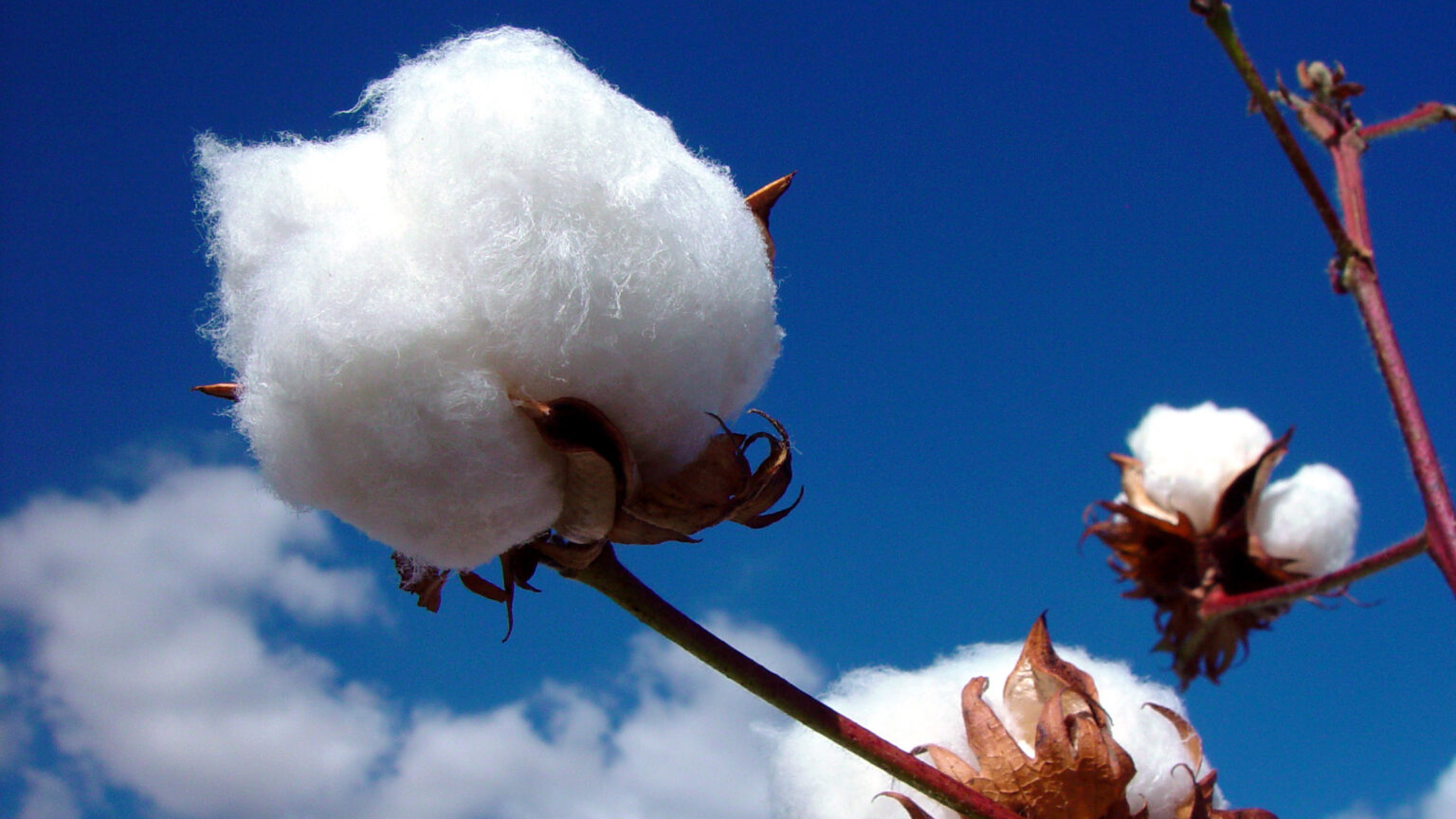
 On this World Cotton Day, celebrated on 7 October, learn more about the Beyond Cotton project, whose objective is to support small-scale cotton producers and public institutions in three African countries (Benin, Tanzania and Mozambique) in linking cotton by-products (seed oil, cottonseed cake, etc.) and intercropped crops, such as maize, sorghum and beans, to institutional markets, including school feeding programmes, increasing local income and strengthening food and nutrition security for smallholder farmers.
The Beyond Cotton project is a joint initiative of the WFP Centre of Excellence against Hunger in Brazil and the Brazilian Cooperation Agency (ABC), with support from the Brazilian Cotton Institute. The project has already been completed in Tanzania and Mozambique and will conclude in Benin in November 2026. In each country, the project also received technical support from Brazilian universities and universities in the participating countries.
In Benin, specialists from the Federal University of Western Bahia participated; in Tanzania, from the Federal University of Campina Grande; and in Mozambique, from the Federal University of Lavras. The project also received support from WFP country offices, governments and local partners in each country.
According to Partnerships Officer Albaneide Peixinho, who also coordinated the project, “this initiative is a great opportunity for exchange between Brazil and African countries to promote better health and greater financial and food security, positively impacting hundreds of farmers”.
Mozambique
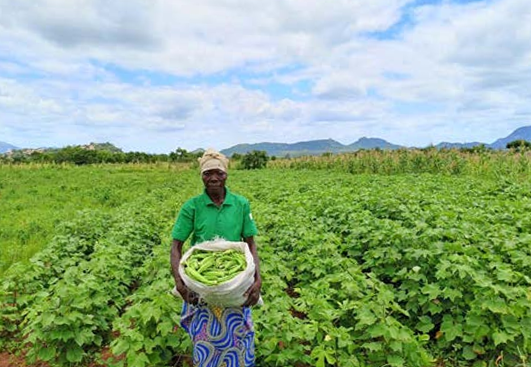
Mozambique is characterised by its wealth of natural resources and areas of fertile land suitable for cultivation. However, its geographical location makes it vulnerable to various climate events that affect agricultural production, nutrition and the lives of Mozambicans.
In this context, the project implemented actions and measures to mitigate climate impacts in the region, contributing to increased resilience among participating farmers. As a way of strengthening food security and diversifying activities among producers in the districts, livestock and horticultural practices were developed as alternatives to strengthen household income and family nutrition.
By June 2024, between 150 and 250 m² of horticultural production areas had been established in river floodplain areas, between 150 and 450 m² of vegetable gardens had been implemented with crops including okra, lettuce, kale, onions and tomatoes in recession farming areas, and 16 plots had been established, including 15 individual plots and one plot dedicated to vegetable production for the association. During this period, horticultural production reached 179 kg of lettuce, 79 kg of onions, 204 kg of kale, 174 kg of tomatoes and 403 kg of okra.
In the country, the project has already carried out more than 250 training and capacity-building activities to improve smallholder production systems, strengthening the capacities of more than 247 farmers, with a focus on cotton intercropping and the promotion of more resilient and healthier food systems. The project also reached 45 agricultural technicians, 225 lead farmers and 1,125 small-scale producers.
 Tanzania
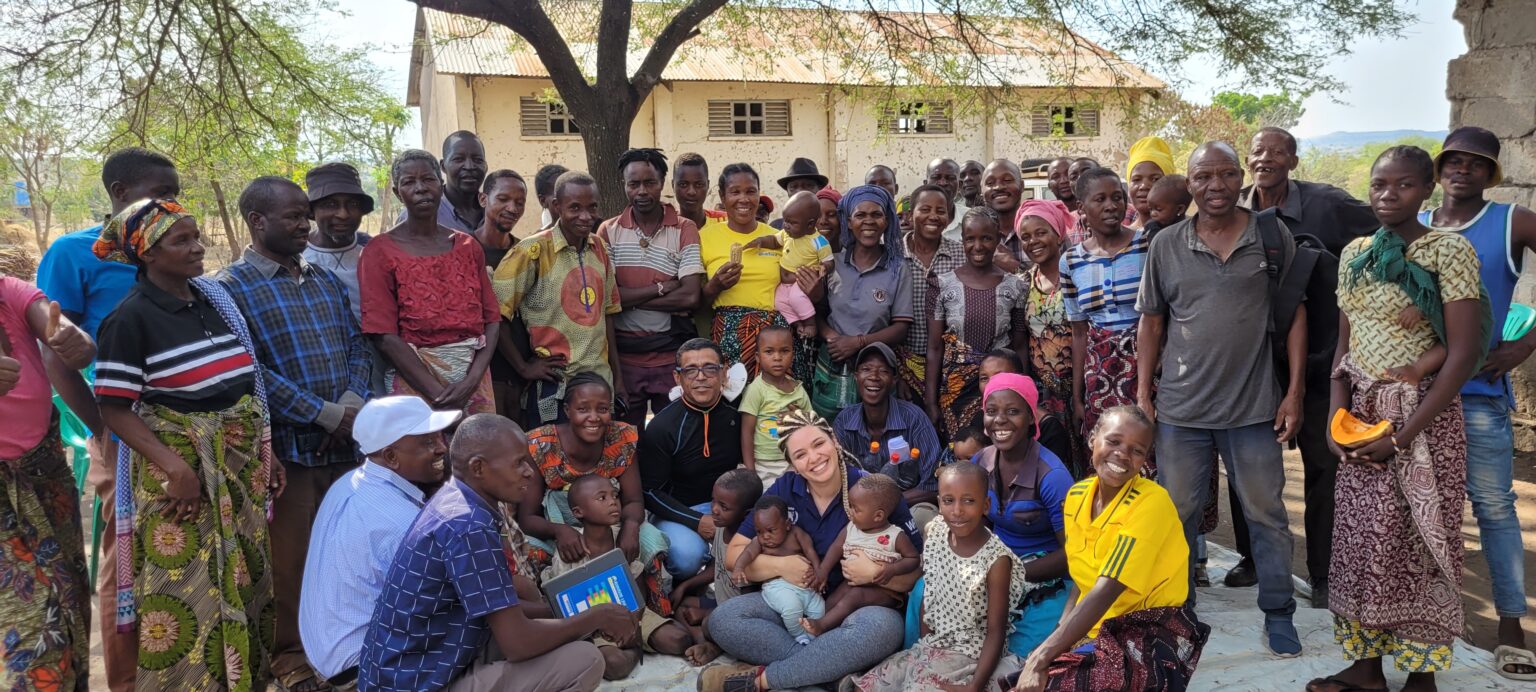
The Beyond Cotton Project in Tanzania is a component of the regional project “Alternative Market Opportunities for Cotton By-products and Associated Crops in Africa”, which aimed to promote the commercialisation of cotton by-products and products from crop rotation with associated crops in order to improve food security, while identifying the socioeconomic and nutritional conditions of cotton producers and consumers in the project area.
The Beyond Cotton Project directly and indirectly benefited 11,000 cotton farmers in the Mwanza region, across the districts of Magu, Misungwi and Kwimba. The activities carried out during its 18 months of implementation strengthened three areas: agriculture, nutrition and income generation. Twenty-one technical knowledge-sharing activities were conducted, along with the construction of 12 rainwater harvesting cisterns.
The project enabled a reduction in seed costs and greater autonomy within production systems. In an evaluation survey of participating farmers, 25% reported improvements in soil quality, 30% reported better pest and disease control, and 31% highlighted increased productivity. In addition, 77% of respondents reported a significant increase in their income following the project.
 Benin
Benin
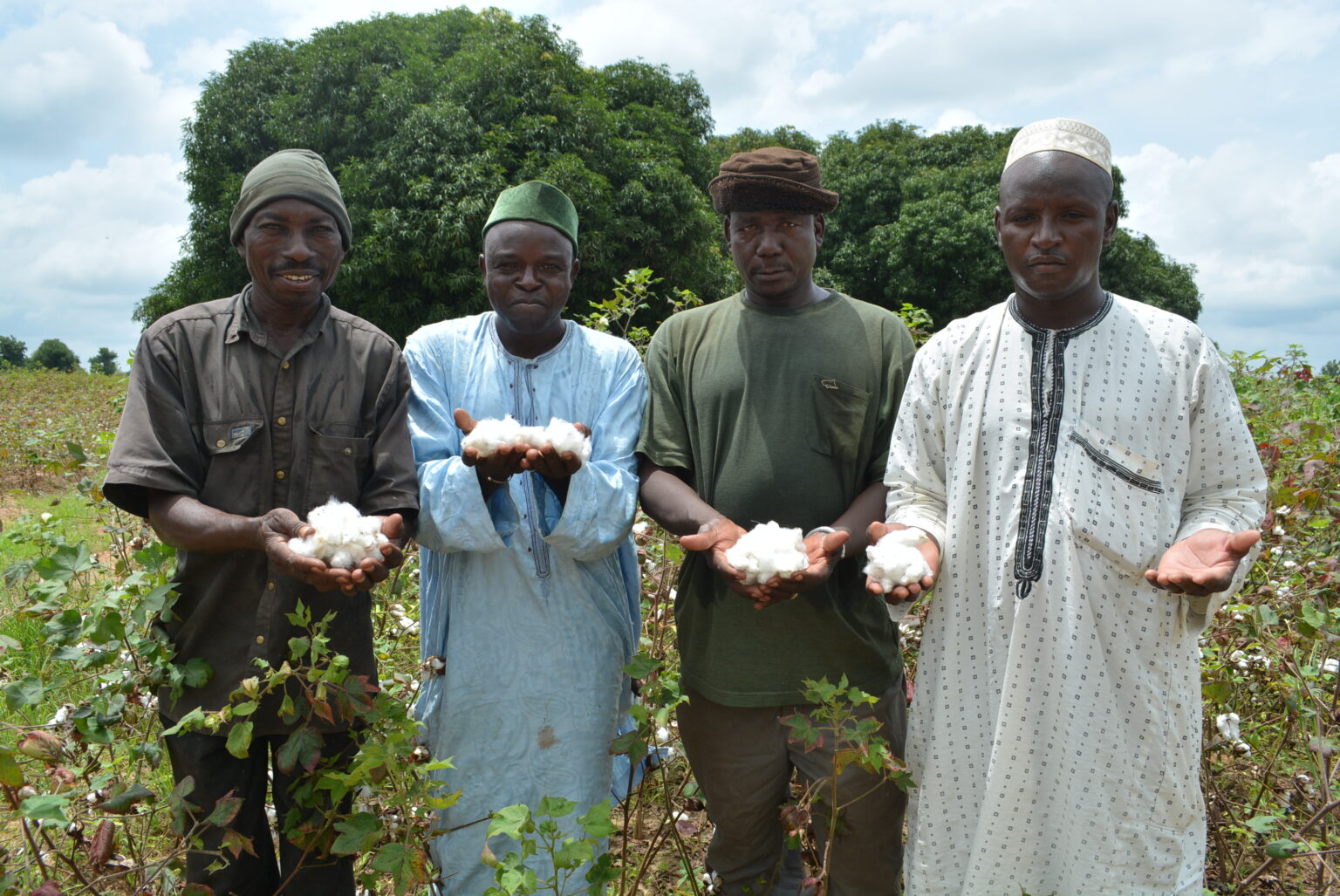
Benin is a country located in West Africa with a population of between 13 and 14 million people. Its economy is based primarily on subsistence agriculture and cotton exports, which account for 13% of the country’s GDP.
The commercialisation of cottonseed generates more than 70 billion CFA francs annually for 300,000 farmers, indirectly generating income for approximately three million people. Cotton is grown under rainfed conditions by nearly one-third of Benin’s farmers and occupies around 20% of the cultivated land. The main production areas are located in the north and centre of the country.
The project in Benin trained more than 1,794 farmers on harvesting, post-harvest practices, and stock management of maize, cowpea, paddy rice and milled rice. In addition, it strengthened the capacities of local farmers in agroforestry cotton production and sustainable agriculture.