


The importance of public funding for policies aimed at promoting sustainable food systems was the theme of the webinar held on 26 August as part of the Beyond Cotton Project.
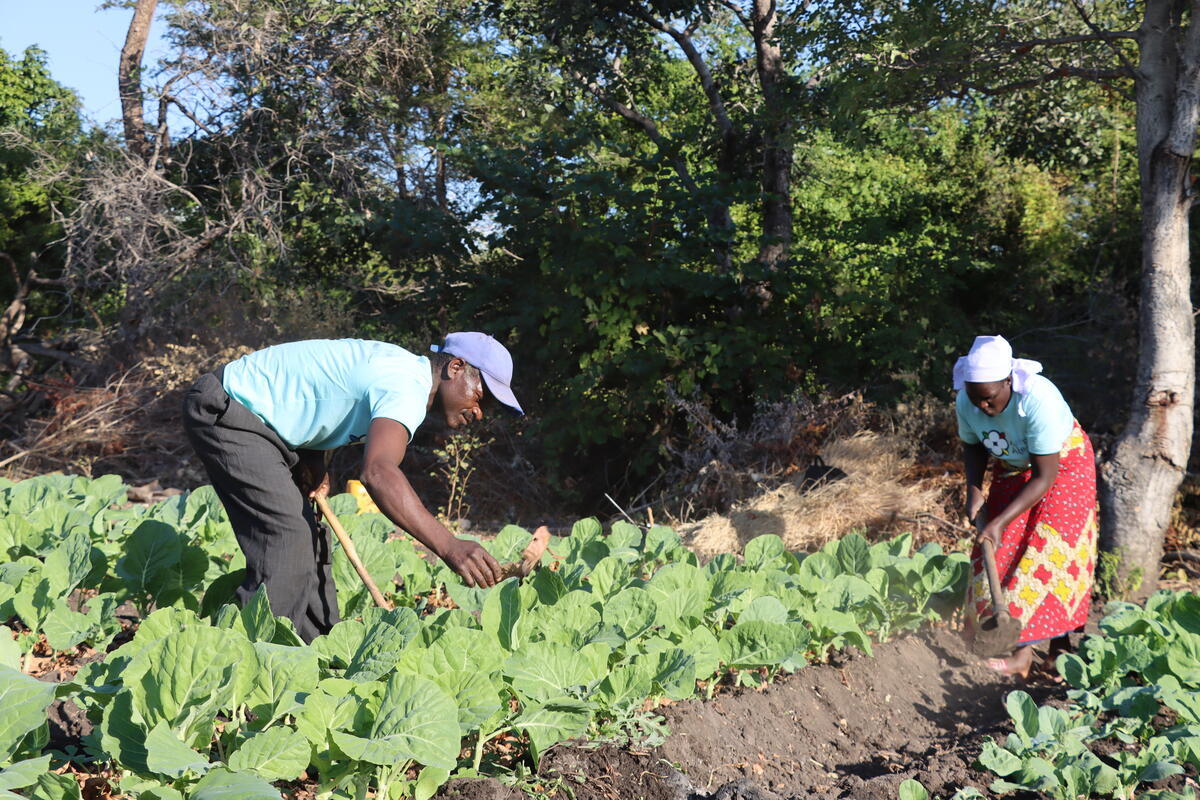
The event highlighted the importance of international cooperation and public investment in strengthening food security, family farming and climate resilience. At the opening, representatives from the Project and its partner organisations emphasised the results achieved since 2017.
The discussions highlighted that current food systems contribute significantly to climate change, making the adoption of more sustainable models a matter of urgency.
The first panellist was Savio da Silva Costa, an adviser to the National Secretariat for Food and Nutritional Security at the Ministry of Social Development, Family and the Fight against Hunger (MDS), who presented Brazilian policies and programmes such as the Food Procurement Programme (PAA) and the National School Feeding Programme (PNAE).
He also highlighted the Cisterns Programme, the Rural Development Programme and the ‘Sertão Vivo’ Programme, which promote productive inclusion, access to water and the strengthening of food production – particularly for indigenous peoples, quilombolas and family farmers – through various funding streams.
Next, Robson Lopes, General Coordinator for Rural Production Financing at the Ministry of Agrarian Development and Family Farming (MDA), spoke about the National Programme for the Strengthening of Family Farming (PRONAF), one of the main rural financing tools in Brazil, which offers access to more affordable credit for producers who adopt agroecological and sustainable production practices.
Initiatives such as the Amazon Fund, the Socio-Environmental Fund and the ‘Amazon at School’ project, which channel investment towards sustainable production, climate adaptation and biodiversity restoration, were presented by the third panellist, Raquel Silvestrin Zanon, manager of the Department of Productive Inclusion and Education at the BNDES (National Bank for Economic and Social Development).
Beyond Cotton
This event was the second in a series of webinars marking the conclusion of the Beyond Cotton Project, scheduled to end in late 2026. The first took place on 29 July and addressed strategies for adaptation and innovation in the face of climate change in agricultural contexts.
The Beyond Cotton Project is a trilateral South-South cooperation initiative between Brazil and three African countries that are major cotton producers: Benin, Mozambique and Tanzania.
The project began in 2017, coordinated by the World Food Programme’s (WFP) Centre of Excellence against Hunger, in partnership with the Brazilian Cooperation Agency (ABC) and the Brazilian Cotton Institute (IBA), and with support from the federal universities of Lavras, Campina Grande and Western Bahia, as well as the involvement of the World Food Programme’s offices in the three countries.