


- Library
Advocacy
This document presents a summary of advocacy services offered by the WFP Centre of Excellence, including the team's experience in identifying opportunities within the scope of South-South and Triangular Cooperation; support in programme cost evaluation; study visits; and knowledge and experience exchange activities.
Technical and Advisory Services
This document presents a summary of technical and advisory services provided by the WFP Centre of Excellence and the experience of the Centre's team on design and implementation of programmes and policies; transition strategies; support in preparing Country Strategic Plans; support to smallholder farmers, especially with regards to supply chain and access to markets; and project preparation.
Knowledge Services
This document presents a summary of the knowledge management services offered by the WFP Centre of Excellence, the team's experience in data collection and knowledge building, good practices documentation and dissemination, and monitoring and evaluation activities.
Partnerships Promotion
This document presents a summary of Partnerships Promotion services offered by the WFP Centre of Excellence, and also highlights the team's experience in coordinating and facilitating regional networks; promoting international policy dialogue; multisectoral coordination; and stakeholder engagement.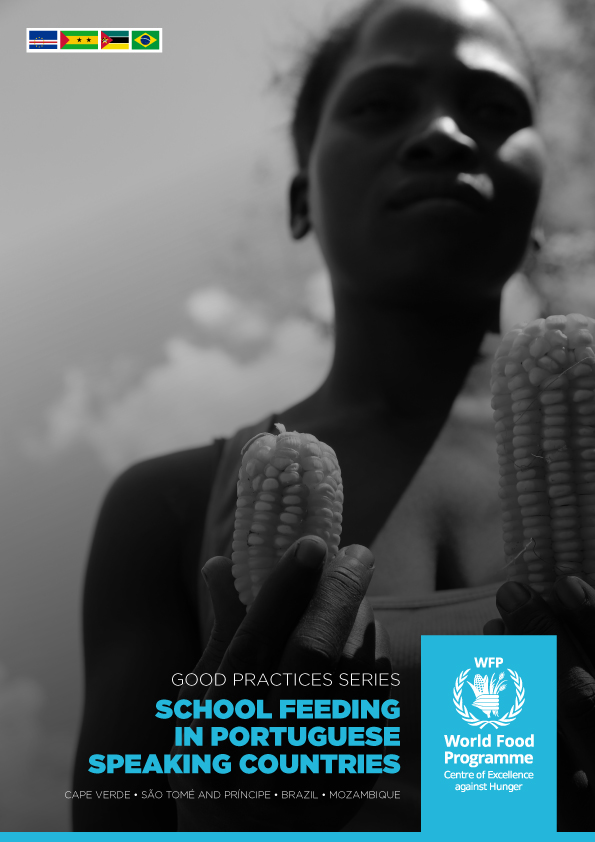
School Feeding in Portuguese Speaking Countries
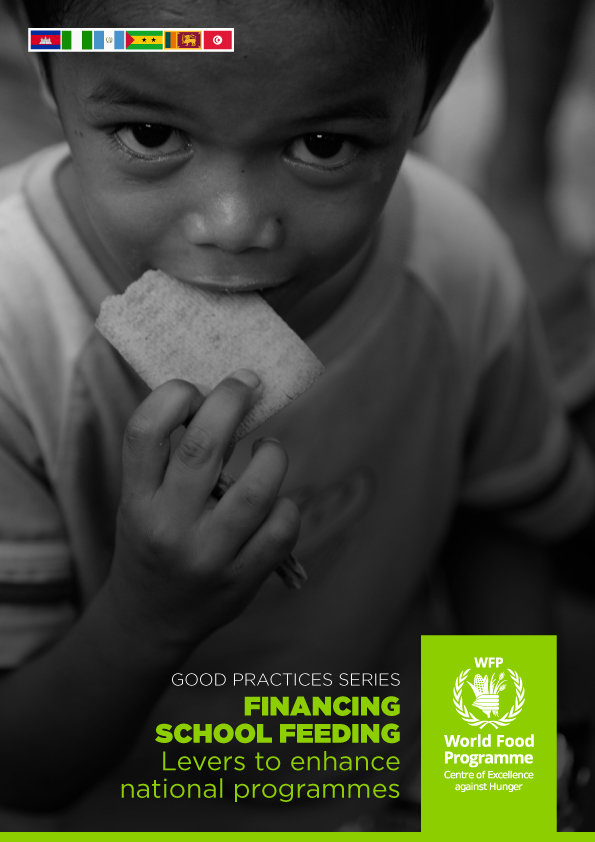
The Centre for Excellence against Hunger launched the first publication of the Good Practices Series. The series provides successful examples of school feeding programs in Portuguese-speaking countries. The document compiles processes, laws and strategies implemented in Cape Verde, Sao Tome and Principe, Brazil and Mozambique.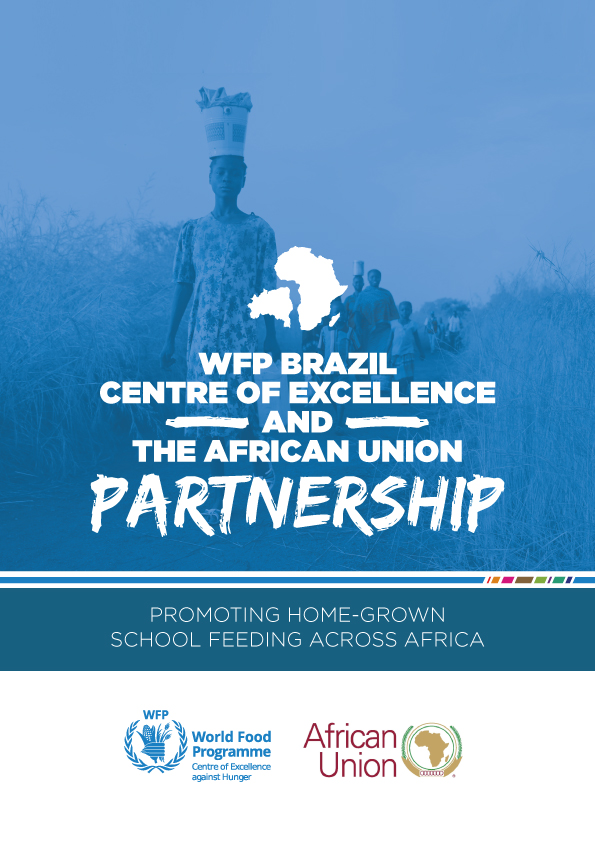
The WFP Brazil Centre of Excellence against Hunger launched a new short publication presenting the collaboration between the Centre and the African Union Commission to advocate for home-grown school feeding and to support AU member states in their efforts to scale up school feeding across the continent.
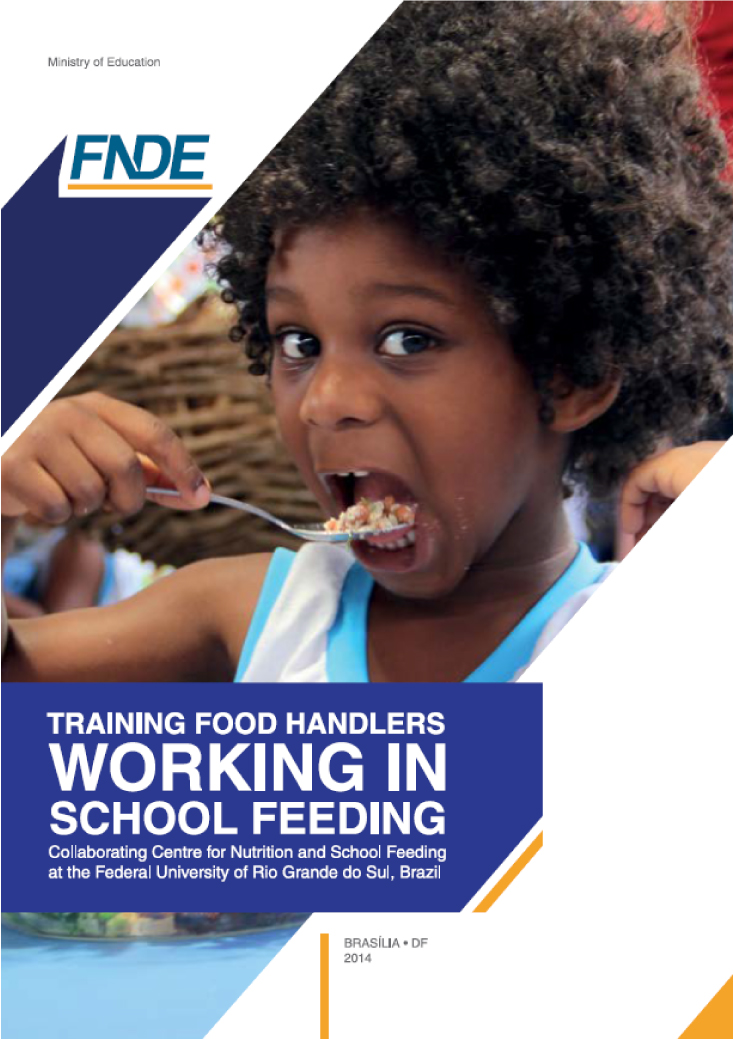
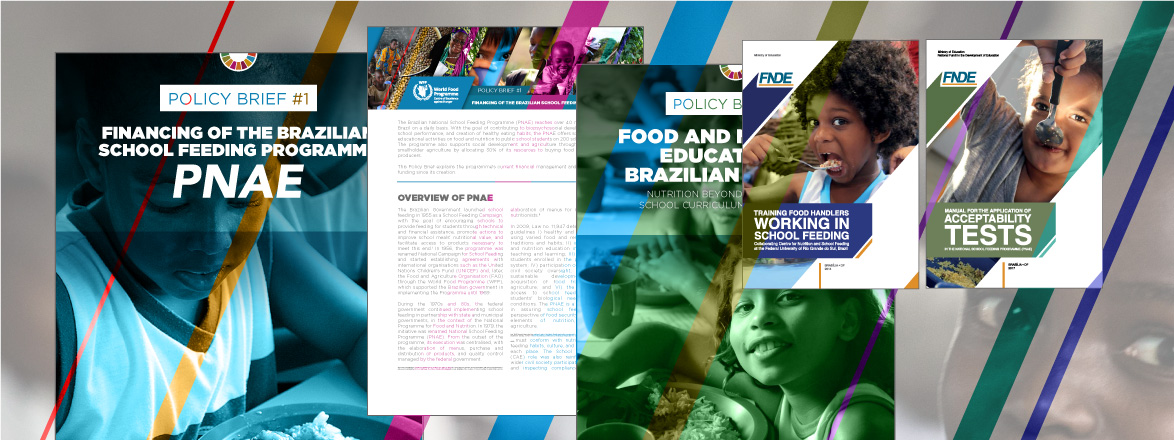
Training Food Handlers Working in School Feeding
This publication is a support material, with the objective of providing theoretical and scientific support to professionals working at National School Feeding Programme (PNAE), for the training of food handlers who work in the Programme. This document is intended for those responsible for training school feeding handlers, including managers, the educational and school feeding sectors, nutritionists, among others.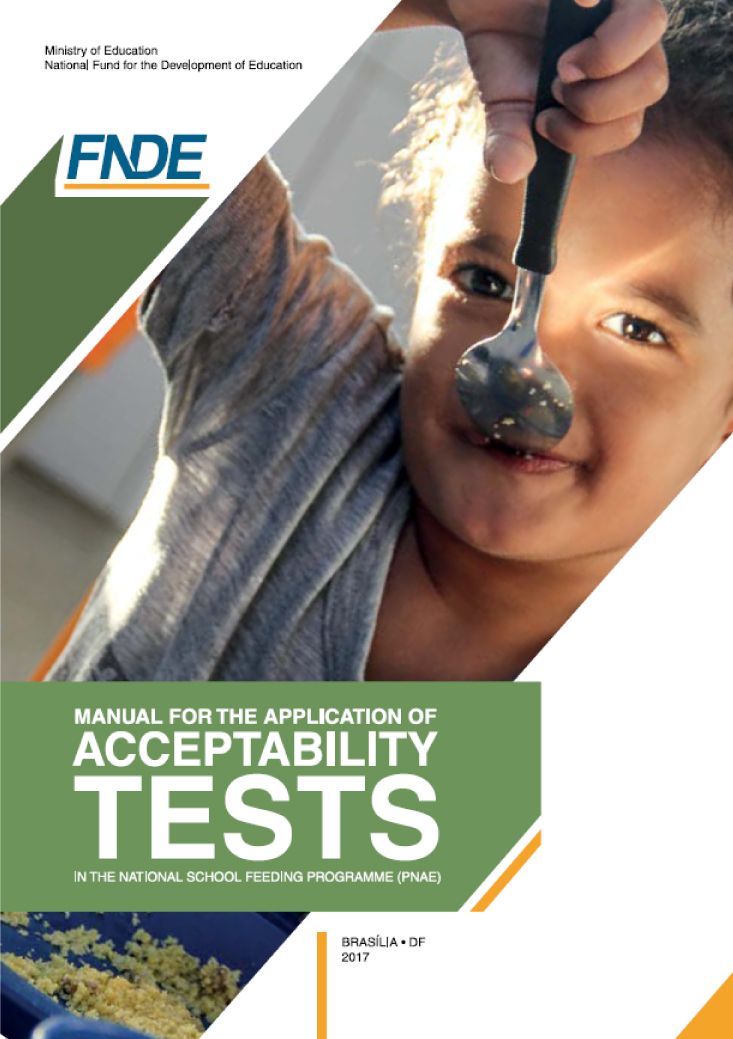
Manual for the Application of the Acceptability Tests in the National School Feeding Programme (PNAE)
The PNAE and the CECANEs of the University of Brasília (UnB) and Federal University of São Paulo (UNIFESP) developed this manual with the goal of explaining the procedures in a practical way to apply acceptability tests in the school environment, in order to ensure compliance with Resolution CD / FNDE No. 26/20132, strengthening the quality control of foods offered in school meals. In 2017, the manual was revised and updated by the UFRGS CECANE, due to a need of adapting the document to current legislation.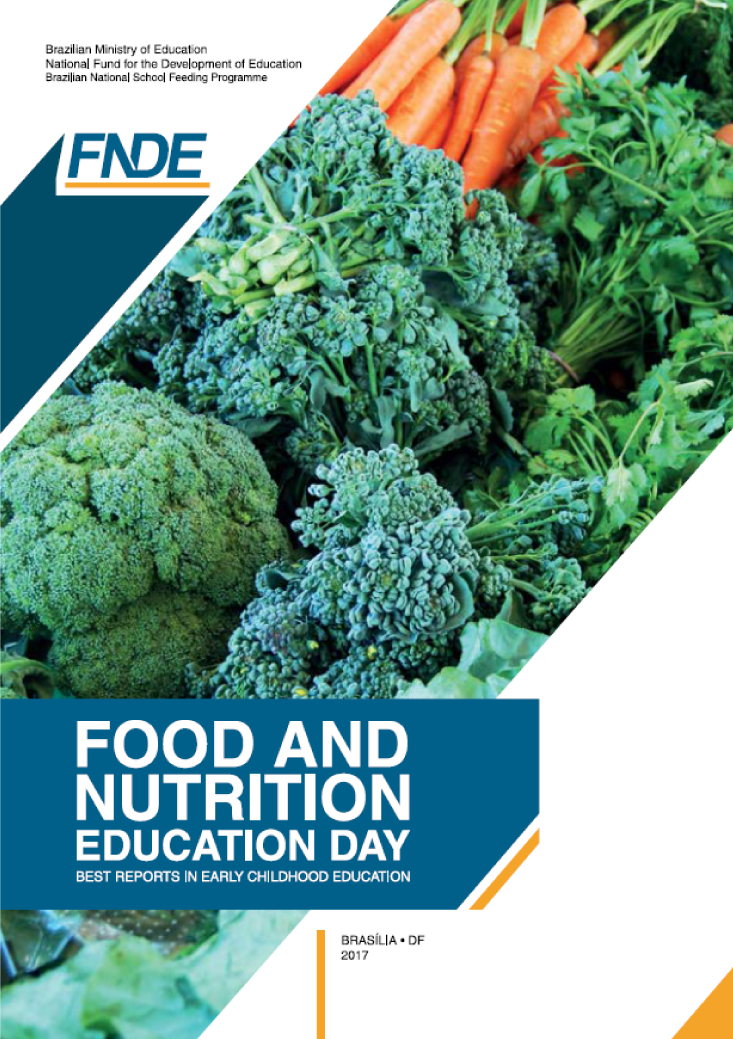
Food and Nutrition Education Day
This publication is the result of a broad process of encouraging debate and the practice of actions of Food and Nutrition Education (FNE) in early childhood education. A publication that gives visibility to creative and transformative initiatives experienced in different realities in Brazil, expressing the richness, diversity and power of FNE in Brazilian public schools and showing that this path is possible and is already being followed by different actors.