


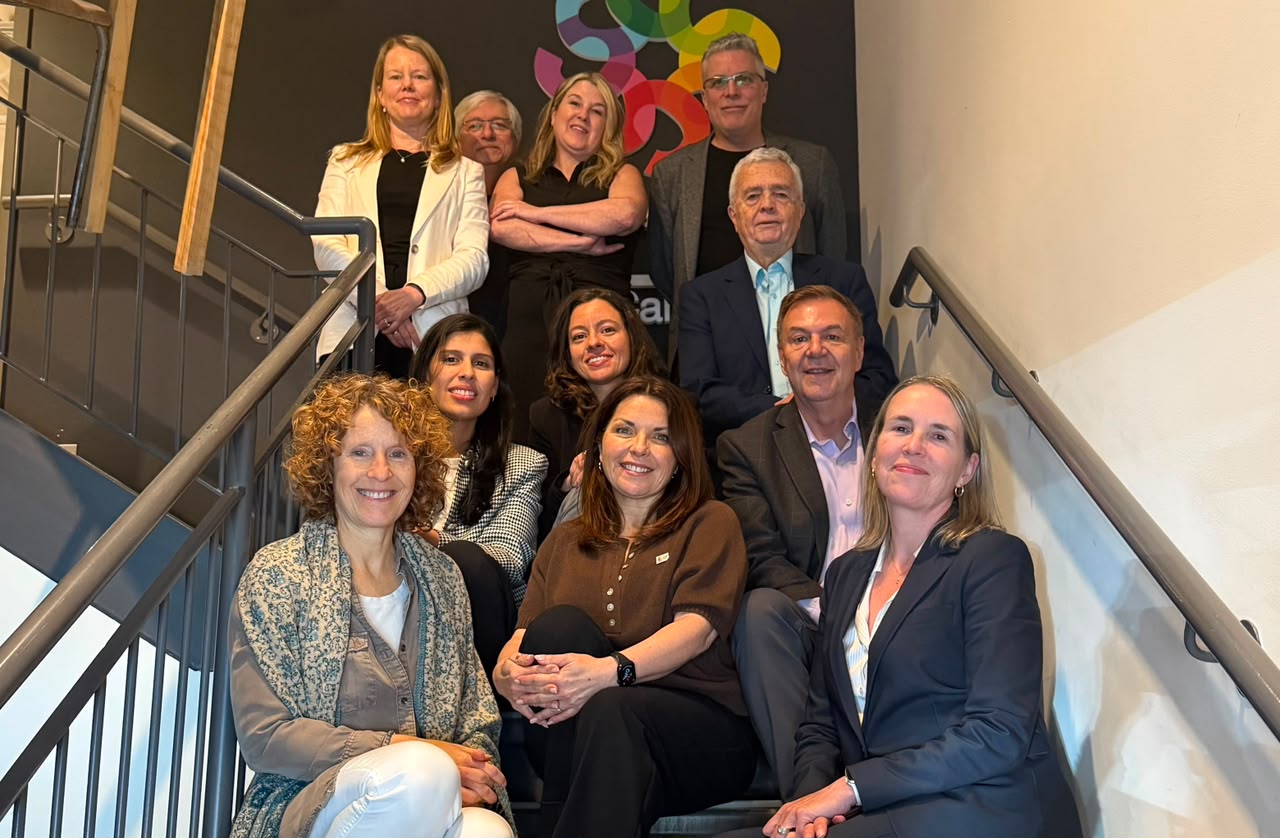
At the invitation of the Breakfast Club of Canada/Club des petits déjeuners – an NGO with over 30 years’ history of providing breakfasts for children across the country – the WFP Centre of Excellence against Hunger in Brazil took part in a mission to Canada dedicated to a series of discussions on the creation and strengthening of school feeding programmes in the country. The programme, which took place between 1 and 5 June, included meetings in Montreal, Quebec City and the capital Ottawa with government representatives, parliamentarians and civil society organisations.
The mission brought together stakeholders from different levels of government and across the political spectrum with the aim of promoting discussions regarding the coordination of the various existing initiatives in the country. Throughout the programme, the delegation took part in meetings with parliamentarians from various parties, including Liberals, Conservatives and other parties, as well as meetings with officials from the health, education, agriculture, environment and social development sectors.
The agenda also included meetings with federal agencies and departments linked to health, family, childhood, food security and indigenous representatives from the First Nations Education Council (CEPN) and the First Nations of Quebec and Labrador Health and Social Services Commission (CSSPNQL).
The Brazilian delegation included Daniel Balaban, Director of the WFP Centre of Excellence against Hunger in Brazil, and Programme Unit officers Nayla Almeida and Lívia Martins.
Forum
One of the highlights of the mission was Daniel Balaban’s participation in the Feed the Future Forum, held in Montreal by the Breakfast Club of Canada and partner organisations on 3 June. During the event, which brought together leaders and experts to discuss the future of school feeding in Canada, the director highlighted the strategic role of these policies as drivers of development. “School feeding is one of the few public policies capable of reaching children every day, whilst strengthening communities, local economies and trust in institutions,” he said.
In his presentation, Balaban also highlighted the potential of school feeding programmes as instruments for integrating public policies linking nutrition, education, health and local development. He further emphasised the importance of legal frameworks, sustainable funding and cross-sectoral coordination to ensure the long-term consolidation of these initiatives.
This exchange takes place against a backdrop in which Canada is making progress in developing its national school meals policy, with the passage of the National School Meals Act in March 2026 and the allocation of 1 billion Canadian dollars in investment for the programme by 2029. Despite significant initiatives already in place at provincial and community level, the country still faces challenges relating to coordination, funding and universal access to school meals.
The mission reinforces the role of the WFP Centre of Excellence in Brazil as an international benchmark in the promotion of public policies on food security and nutrition, particularly in school feeding. Brazil’s globally recognised experience has helped to inspire and support countries in building sustainable programmes, based on robust legal frameworks and integration with local production.