


Representatives from municipal education departments took part in the Agroecological PNAE Exchange Meeting, held on 1 September at the WFP Centre of Excellence against Hunger in Brazil, in Brasília.
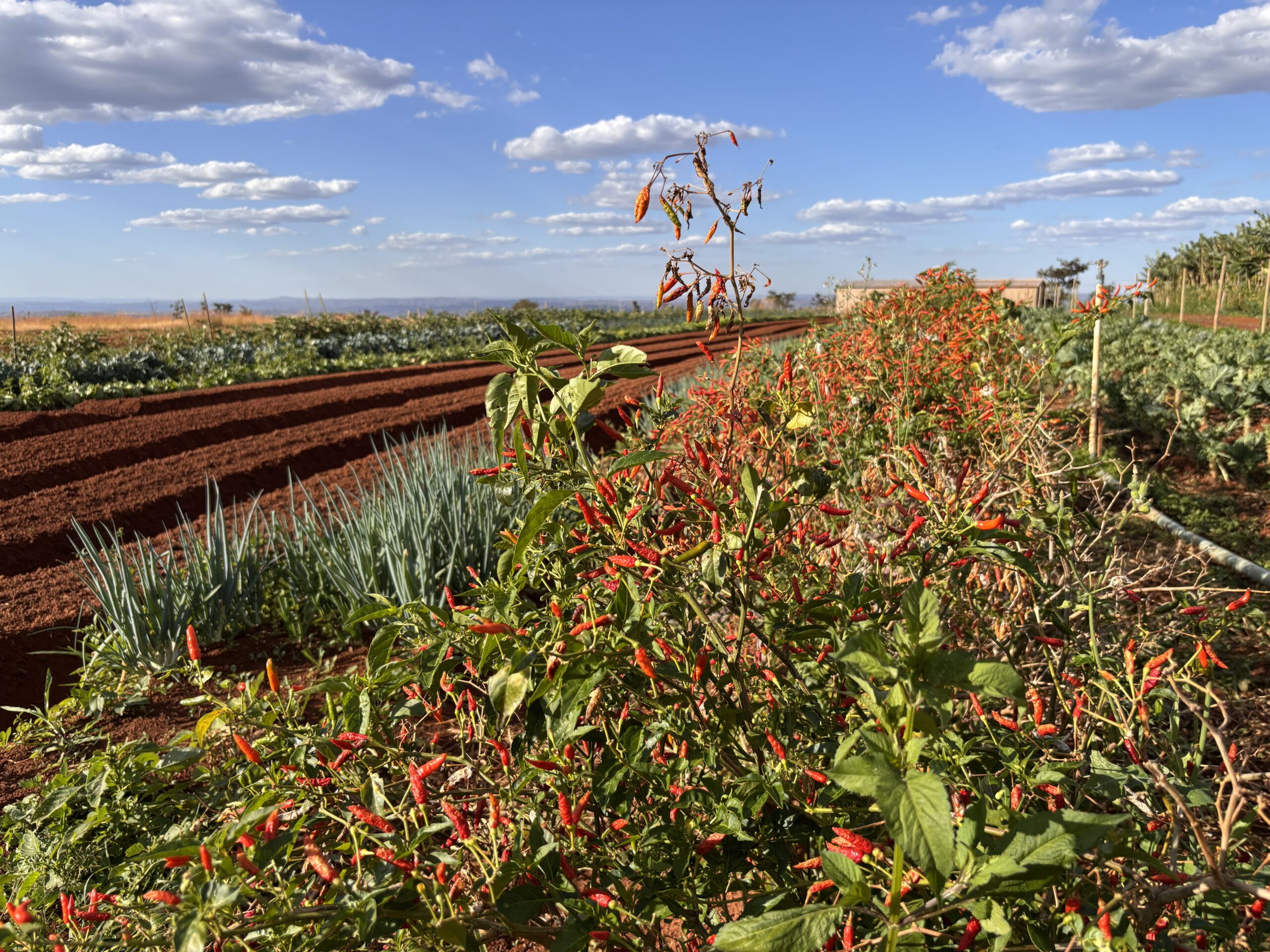
The aim of the event was to bring together managers, nutritionists and partners from the municipalities participating in the Agroecological PNAE Project to discuss proposals for mechanisms to expand the procurement of foodstuffs produced using agroecological methods by families taking part in the project.
The municipalities involved in the project are Caruaru (PE), São José dos Pinhais (PR), Marituba, Barcarena, Benevides and Abaetetuba (PA), as well as Porto Alegre, Ipê, Montenegro, Antônio Prado and Caxias do Sul (RS).
One of the highlights of the programme was the presentation of the results of the Agroecological Technical Assistance and Rural Extension (ATER) programme. The ATER organisations shared their experiences of supporting family farmers in the project’s municipalities, demonstrating how technical assistance has supported the transition to agroecological production systems.
During the afternoon, municipal managers discussed regulatory frameworks and ways to facilitate the expansion of public procurement of agroecological food. Ways of strengthening coordination between the departments of Education and Agriculture were also discussed, bringing nutritionists and farmers together to align school menus with local and agroecological production.
The director of the WFP’s Centre of Excellence against Hunger in Brazil, Daniel Balaban, highlighted the importance of the initiative. “We are entering a new era. The PNAE is already a recognised programme and sources 45 per cent of its purchases from family farms. Now is the time to take a step further so that a large proportion of this food is produced using agroecological methods, ensuring that children receive pesticide-free and much healthier food in schools,” he said.
The PNAE Agroecological Project is run by the Food of Tomorrow Institute, in partnership with the Association for the Development of Agroecology (AOPA), the Ecological Centre – Advisory and Training in Ecological Agriculture, the Centre for Alternative Popular Technologies (CETAP), the Regenera Institute, the Sabiá Centre and the Zero Hunger Institute (IFZ), with institutional support from the Centre of Excellence against Hunger of the WFP Programme in Brazil and the Rockefeller Foundation.