


On 29 July, the ‘Beyond Cotton’ Project organised a webinar to discuss adaptation strategies and innovation in the face of climate change in agricultural contexts. The event brought together government representatives and experts from Mozambique, Brazil and other countries with an interest in the topic.
The ‘Beyond Cotton’ Project is a trilateral South-South cooperation initiative between Brazil and three African countries that are major cotton producers: Benin, Mozambique and Tanzania. The project began in 2017, coordinated by the World Food Programme’s (WFP) Centre of Excellence against Hunger, in partnership with the Brazilian Cooperation Agency (ABC) and the Brazilian Cotton Institute (IBA), and with support from the Federal Universities of Lavras, Campina Grande and Western Bahia, as well as the participation of the World Food Programme’s offices in the three countries.
Opening
The opening of the event was attended by ABC project analyst Paola Barbieri, the director of the WFP Centre of Excellence against Hunger in Brazil, Daniel Balaban, and the technical director of IBA, Adilson Ferreira dos Santos.
Paola Barbieri highlighted the importance of collaborative work, which in this project involved institutions linked to the Ministries of Agriculture of the three countries. “The aim was to support the strengthening of food and nutritional security for farmers and to promote improvements in the production of cotton and intercropped crops,” she said.
In his speech, Balaban emphasised the role of universities in sharing Brazilian social technologies as solutions to climate challenges. “By promoting this exchange of knowledge, we strengthen rural communities’ capacity to adapt to climate change and expand their opportunities for income generation and food security,” said Balaban.
Adilson Ferreira dos Santos stated that where cotton is grown, there is great potential for local development. “This project has also shown how working through partnerships and cooperation has contributed to dialogue and exchanges, which serve as a catalyst for cotton producers’ participation in international trade.”
Panel
The technical programme began with a presentation by Professor Nascimento Nhantubo, from the Manica Higher Polytechnic Institute (ISPM) in Mozambique, who discussed the impacts of climate change on family farming, focusing on water resources and possible solutions for arid regions.
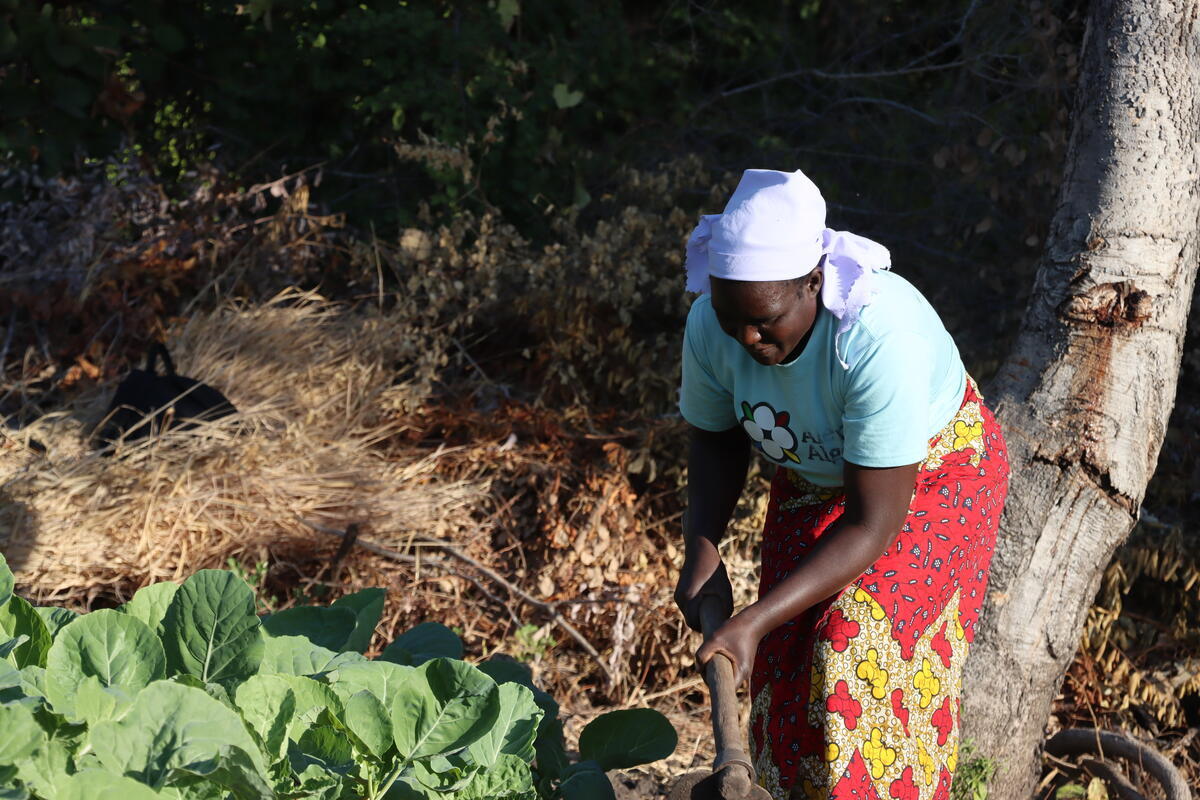
“The project facilitated the exchange of experiences and provided training for farmers to access climate information. Cisterns and underground reservoirs enable water from rainfall to be stored. Through water use and conservation practices, it is possible to create irrigation systems for productive kitchen gardens,” said Professor Nascimento.
He highlighted that the ‘Beyond Cotton’ Project enabled farmers to improve cotton cultivation and production whilst also making room for intercropping food crops such as maize, soya, sesame, beans and ground nuts, thereby achieving food security and income-generation targets for family farmers.
Next, Yara Farias, general coordinator for water access at Brazil’s Ministry of Social Development, Family and the Fight Against Hunger, presented social technologies for rainwater harvesting, with a particular focus on cisterns – a civil society initiative launched 20 years ago in response to water scarcity.
“This is a social technology that is easy to build, quick to implement and low-cost, serving families who are scattered across the region, making it difficult for the traditional sanitation network to reach them.”
The webinar was part of the technical exchange programme for the ‘Beyond Cotton’ Project. The second webinar in the 2026 series will take place on 26 August and will discuss funding to promote sustainable food systems.