


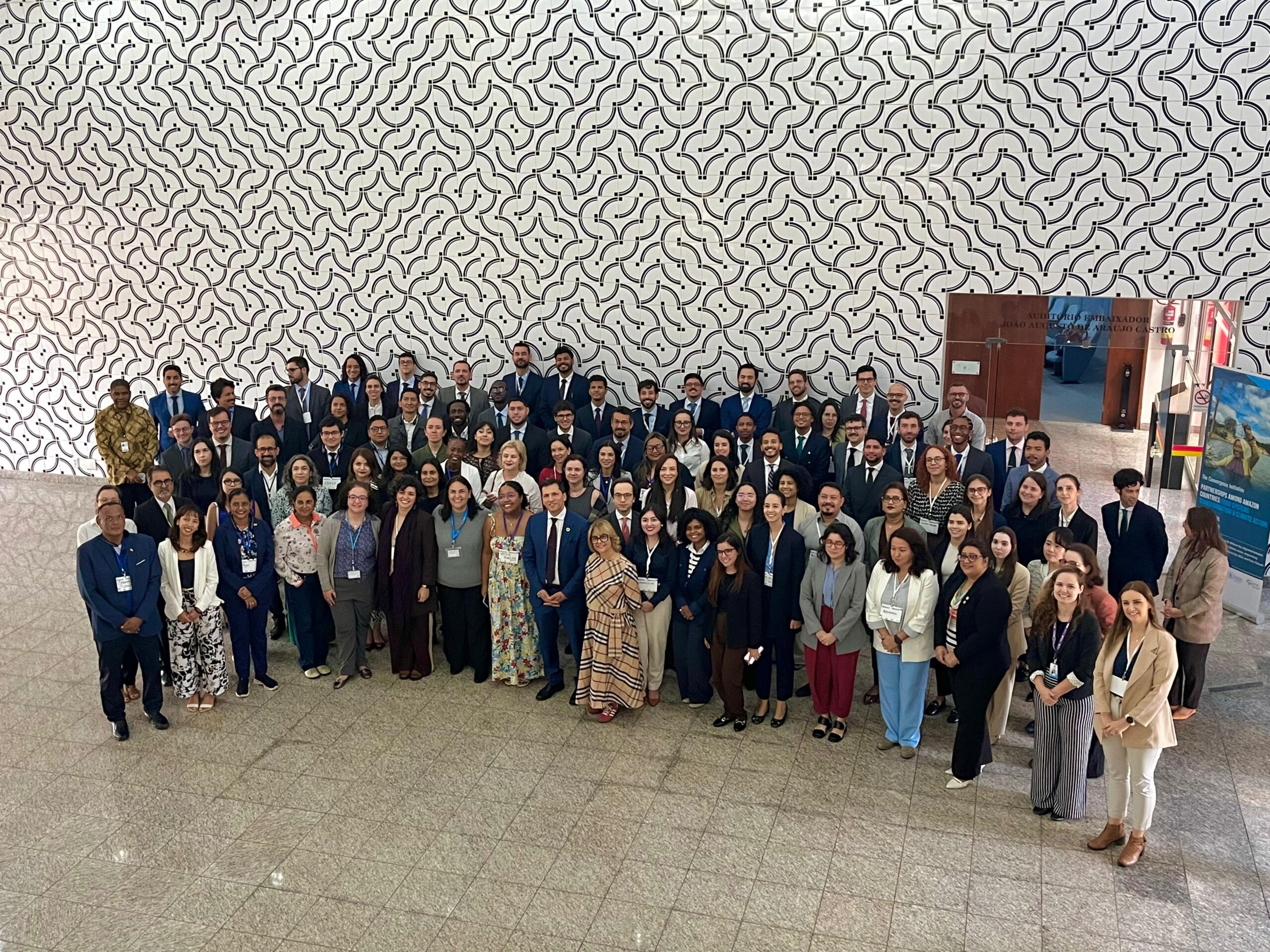
The Convergence Initiative held a workshop from 25 to 28 May in Brasília to launch the course “Partnerships between Amazonian Countries: Transformation of Food Systems and Climate Action”. Aimed at managers and diplomats from the eight Amazonian countries, the course aims to strengthen regional cooperation on issues linking food security, sustainable development and the fight against climate change.
The initiative is the result of a partnership between the Centre of Excellence against Hunger, the United Nations Food Systems Coordination Hub, the Amazon Cooperation Treaty Organisation (ACTO) and the Ministry of Foreign Affairs.
Representatives from all eight countries that make up the Amazon Cooperation Treaty Organisation were present at the workshop, namely Brazil, Bolivia, Colombia, Ecuador, Guyana, Peru, Suriname and Venezuela.
The opening of the programme was attended by the director of the Centre of Excellence, Daniel Balaban, who highlighted the urgency of integrated action in the Amazon region. “The issue of ending hunger in the Amazon requires nothing less than transforming the way we produce, distribute and consume food, whilst protecting the ecosystems that make all this possible,” he said.
Balaban also thanked the partners involved in the initiative and highlighted the strategic role of the participants. “To the diplomats and National Coordinators who have travelled from across the Amazon Basin: you carry the hopes of your peoples. This workshop is an opportunity to turn those hopes into strategies, and strategies into action. Let us begin this important work with the humility to learn from one another and from the Amazon itself,” he declared.
Debate
Throughout the programme, experts led discussions on the transformation of food systems in the Amazon, addressing topics such as sustainable production, social inclusion, value chains and climate resilience.
On the second day (26th), nutritionist and Project Coordinator at the Centre of Excellence, Eliene Sousa, moderated the panel “From local voices to global action: Amazonian food systems and climate resilience”.
The discussion featured indigenous leader Ayri Gavião, who spoke about Amazonian food systems; Freddy Mamani, Coordinator of Indigenous Affairs at ACTO, who provided context on the legal framework and coordinated actions of Amazonian countries; and Mauricio Alcântara, from the Regenera Institute, who reported on the Na Mesa da COP30 initiative.
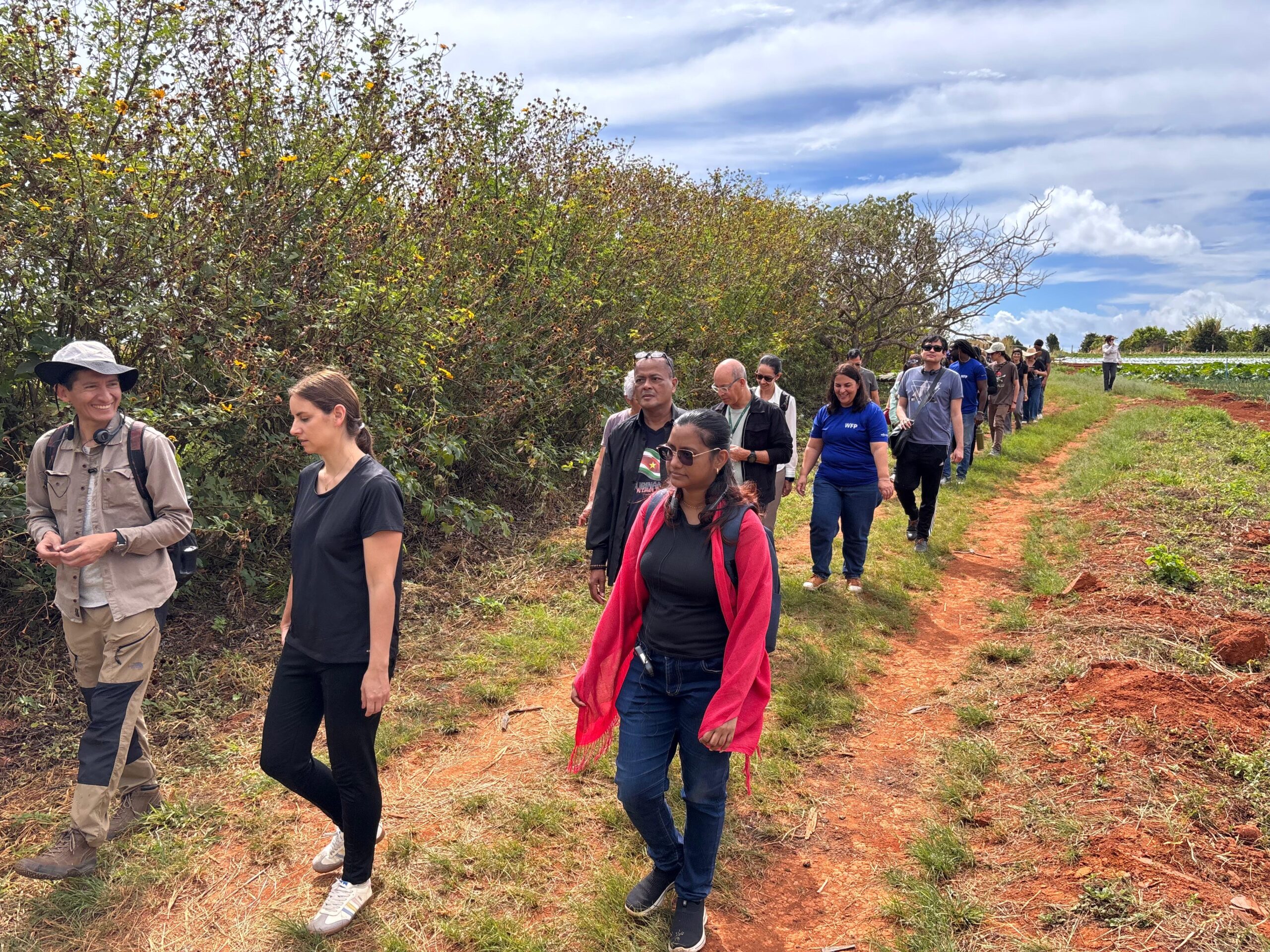
The workshop concluded on the 28th with a visit by officials from Amazonian countries to the Chapadinha Farm in Sobradinho (Federal District), which focuses on family farming, agroecology and environmental preservation.