


The International Technical Seminar on Food Quality Monitoring and International Institutional Procurement from Family Farming, organised by the World Food Programme (WFP) in Brasília on 16 July, presented experiences and mechanisms relating to institutional procurement, with the participation of representatives from the WFP Regional Office for Latin America and the Caribbean, based in Panama, as well as from the Guatemalan government and the WFP Office in Guatemala.
The initiative, developed in partnership with the Brazilian government, aimed to share technical knowledge, operational procedures and best practices that could broaden family farmers’ access to institutional markets, thereby strengthening supply chains.
Throughout the programme, topics such as the planning and management of institutional procurement, supplier selection and accreditation processes, food quality and safety requirements, logistics and distribution, monitoring and transparency mechanisms, contract management, collective organisation of production, and strategies to increase the participation of family farmers in structured markets were addressed.
The seminar also provided an opportunity for representatives of the Guatemalan government to exchange experiences, highlighting challenges and solutions with a focus on efficiency, sustainability and the creation of opportunities in the WFP’s institutional procurement.
Technical visit
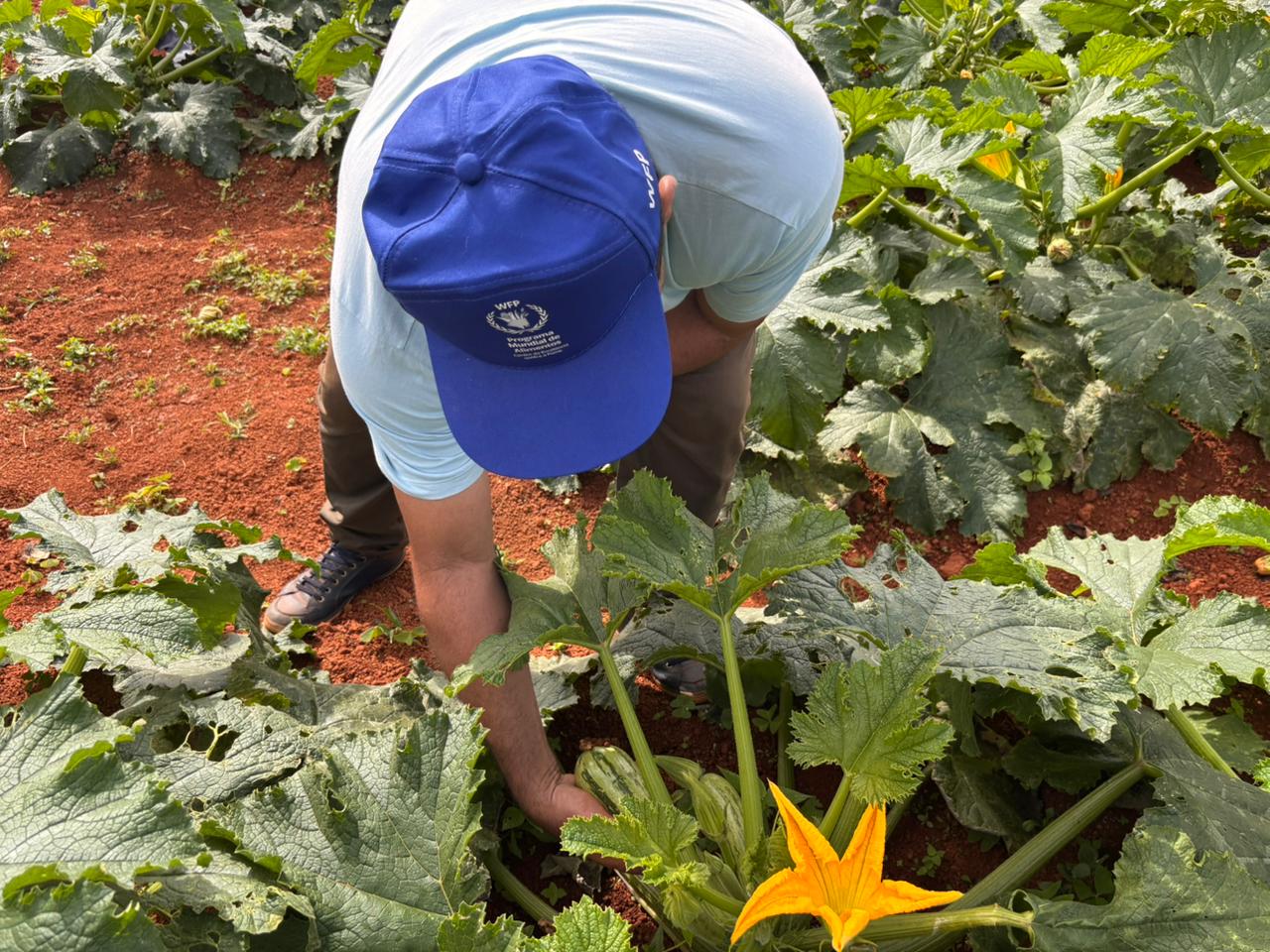
On 17 July, the seminar participants undertook a technical visit to the local EMATER office and the Cotaquara cooperative in Planaltina (DF), focusing on the exchange of experiences relating to production organisation, delivery planning and the strengthening of marketing systems for family farming.
The programme included presentations on production monitoring tools, management methodologies and processes that contribute to the traceability and quality of food designated for institutional markets.
The agenda also facilitated dialogue between family farmers, cooperative representatives and invited experts on the exchange of experiences, challenges and opportunities for expanding market access, as well as practices aimed at coordinating production and delivery logistics.